


Some relationship patterns feel too consistent to be a coincidence — always being drawn to partners who feel emotionally unavailable, needing constant reassurance to feel secure, or instinctively pulling away the moment things get serious. These patterns often trace back to something called attachment style, a concept from psychology that explains a lot about why people connect, communicate, and handle closeness the way they do.
Understanding attachment styles in relationships isn’t about labeling yourself or your partner and stopping there — it’s a framework that helps explain recurring patterns, and more importantly, gives you a starting point for actually working with them.
Table of Contents
Where Attachment Styles Come From

Attachment theory originally developed from research on how infants bond with caregivers, but it’s since been extended to explain how adults bond in romantic relationships. The core idea is that early relationships teach us largely unconscious expectations about closeness, reliability, and safety — expectations that carry forward and shape how we behave in adult romantic relationships, often without us realizing it.
This doesn’t mean your attachment style is fixed forever or entirely determined by childhood. It’s a pattern, not a life sentence — and one of the most useful things about understanding it is that patterns can shift with awareness and consistent effort.
The Four Main Attachment Styles
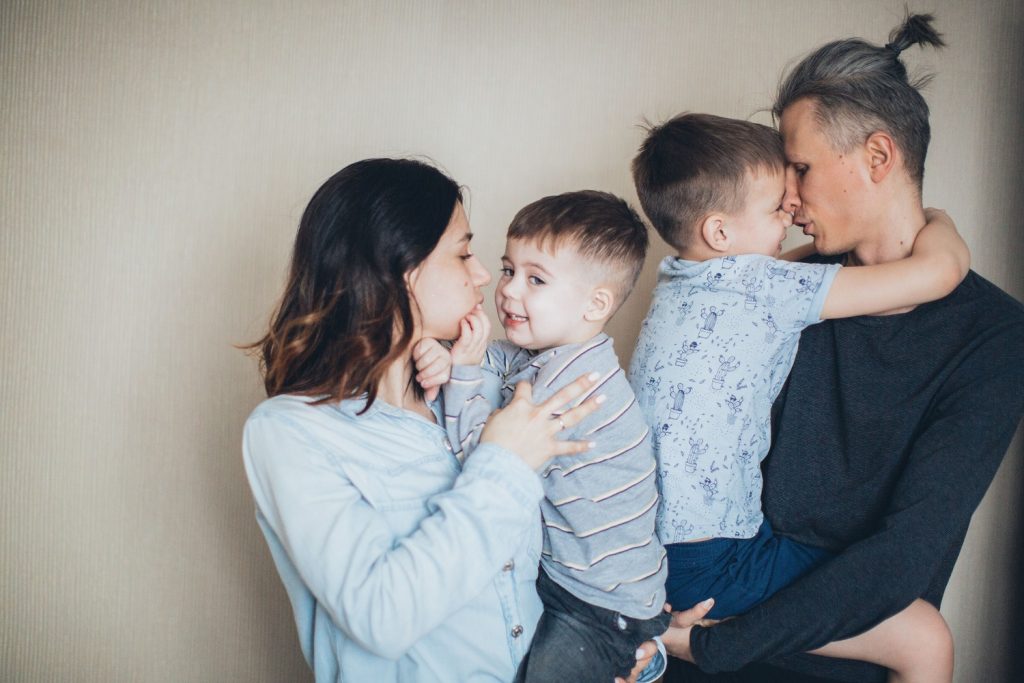
Secure Attachment
People with a secure attachment style are generally comfortable with both closeness and independence. They can express needs directly, handle conflict without it feeling catastrophic, and trust their partner without constant reassurance-seeking. Secure attachment isn’t about having a perfect relationship — securely attached people still experience insecurity, jealousy, or hurt feelings sometimes. The difference is in how they handle those feelings: openly, and without assuming the worst about their partner or the relationship.
Anxious Attachment
Anxious attachment often shows up as a strong need for closeness combined with a persistent fear of abandonment or rejection. People with this style may seek frequent reassurance, feel intensely anxious during periods of distance or unclear communication, and sometimes interpret neutral behavior (a delayed text reply, a quieter mood) as a sign something is wrong. This isn’t a character flaw — it usually reflects a deep-seated fear that closeness is conditional or can disappear without warning.
Avoidant Attachment
Avoidant attachment tends to show up as discomfort with too much closeness or emotional dependence. People with this style often value independence strongly, may feel overwhelmed or “trapped” when a relationship becomes too emotionally intense, and sometimes create distance — physically or emotionally — when things start to feel serious. This often isn’t a lack of caring; it’s frequently a learned response to closeness feeling unsafe or overwhelming at some point.
Disorganized (Fearful-Avoidant) Attachment

This style combines elements of both anxious and avoidant patterns — a simultaneous desire for closeness and fear of it. People with disorganized attachment may feel pulled toward intimacy while also feeling instinctively unsafe within it, sometimes leading to relationships that feel unpredictable or emotionally intense in both directions. This style is often associated with inconsistent or difficult early relationship experiences.
Why Anxious and Avoidant Partners Often End Up Together

One of the more well-documented patterns in attachment research is how often anxious and avoidant partners end up in relationships together. On the surface, this seems counterintuitive — the anxious partner wants more closeness, the avoidant partner wants more space, so friction seems inevitable. But the dynamic often reinforces itself: the anxious partner’s pursuit of closeness can trigger the avoidant partner’s instinct to create distance, and that distance then intensifies the anxious partner’s fear of abandonment, creating a repeating cycle.
Recognizing this pattern — rather than assuming your partner simply doesn’t care, or that you’re simply “too needy” — is often the first step toward breaking the cycle. Both partners are usually responding to genuine, deep-rooted patterns, not intentionally trying to hurt each other.
How to Recognize Your Own Attachment Style

A few honest questions can point toward your general pattern:
- When your partner needs space, does it feel relaxing or does it trigger anxiety about the relationship?
- When a relationship starts to feel serious, do you feel drawn closer or do you feel an urge to create distance?
- Do you generally trust that your partner’s feelings for you are stable, or do you find yourself frequently needing reassurance?
- During conflict, do you tend to move toward resolution, or do you tend to withdraw and need time completely alone?
Most people lean toward one style more than others, though it’s common to show some flexibility depending on the specific relationship and how safe it feels.
Attachment Style Isn’t a Life Sentence

This is the most important part of understanding attachment theory: these patterns are shaped by experience, which means they can also shift with new experience — particularly within a relationship that consistently feels safe, communicative, and secure. This process is sometimes called “earned secure attachment.” It doesn’t happen overnight, and it usually requires both self-awareness and, often, a partner or environment that responds consistently and predictably over time.
Therapy — individual or couples-based — is one of the more effective ways to actively work through attachment patterns, especially ones rooted in difficult early experiences. But meaningful shifts can also happen gradually through consistent, secure relationship experiences and intentional self-reflection.
How to Work With Your Attachment Style (Not Against It)

If you lean anxious: Practice tolerating uncertainty without immediately seeking reassurance. This doesn’t mean suppressing your needs — communicating them directly is healthy — but it does mean building tolerance for the discomfort of not knowing something immediately, rather than needing constant confirmation to feel okay.
If you lean avoidant: Practice staying present during moments of closeness rather than automatically creating distance. This might mean noticing the urge to withdraw during an intense conversation and choosing to stay engaged a little longer than feels comfortable, rather than immediately acting on the instinct to pull away.
If you’re with a partner whose style differs from yours: Understanding that their behavior is often a pattern, not a personal statement about you, changes how conflict gets interpreted. An anxious partner’s need for reassurance isn’t “too much” — it’s a pattern that responds well to consistency. An avoidant partner’s need for space isn’t rejection — it’s a pattern that responds well to patience and predictability, rather than pursuit.
When Attachment Patterns Need Extra Support

If attachment patterns are consistently disrupting a relationship — repeated cycles of pursuit and withdrawal, chronic insecurity, or an inability to feel safe even in a genuinely stable relationship — this is often a sign that deeper, sometimes long-standing patterns are at play. Working with a therapist who specializes in attachment can help identify where these patterns originated and provide structured tools for building more secure ways of relating, both individually and within the relationship.
Final Thoughts
Attachment styles offer a genuinely useful lens for understanding why certain relationship patterns keep repeating, but they work best as a tool for insight, not a label to hide behind. Knowing your own tendencies — and your partner’s — turns confusing, frustrating dynamics into something more understandable and, ultimately, more workable. No one is permanently anxious, avoidant, or secure; these are patterns shaped by experience, which means they can also shift, gradually, through awareness, consistency, and the kind of safe, communicative relationship that helps any attachment style feel more settled over time.
READ MORE; Wayibo Relationships



One thought on “Attachment Styles in Relationships: What They Are and Why They Matter”
Comments are closed.