

Relationship advice trends come and go — different frameworks, different buzzwords, different “rules” that go viral and fade within a season. But underneath the trends, certain lessons keep resurfacing across generations, cultures, and countless real relationships, because they reflect something genuinely true about how lasting partnerships actually work. This is a collection of that kind of advice — the lessons that hold up regardless of trends, gathered from what consistently works in real, long-term partnerships.
Table of Contents
Be Together for the Right Reasons

It sounds obvious, but it’s worth examining honestly: are you in this relationship because it genuinely adds to your life, or because of fear — fear of being alone, fear of starting over, fear of disappointing someone? Relationships built primarily on avoiding something (loneliness, judgment, uncertainty) tend to be far less stable than partnerships built on genuinely choosing another person. This isn’t about waiting for some perfect, storybook reason to be together — it’s about being honest with yourself about what’s actually driving the relationship.
Have Realistic Expectations

Romantic movies and social media often present partnerships as a constant high — nonstop excitement, effortless understanding, no real friction. Real relationships involve boredom sometimes, disagreement, and periods where the connection feels more routine than passionate. This isn’t a sign of failure — it’s a normal, expected part of any long-term partnership. Couples who expect a relationship to feel like the honeymoon phase indefinitely often end up disappointed by something that was never actually broken, just normal.
Realistic expectations also apply to your partner as a person. No one is going to meet every need perfectly, and expecting a single person to be your only source of emotional support, entertainment, and fulfillment puts unfair pressure on the relationship. Maintaining outside friendships, interests, and sources of support makes the relationship itself healthier, not weaker.
Respect Might Matter More Than Communication

Communication gets discussed constantly in this kind of guidance, but there’s a strong argument that respect is actually the deeper foundation beneath it. You can teach communication techniques, but if there isn’t genuine underlying respect for your partner as a person — their opinions, their time, their boundaries — even good communication skills won’t fix the relationship. Respect shows up in small, consistent ways: taking a partner’s opinion seriously even when you disagree, not dismissing their feelings as “too sensitive,” and treating their time and energy as valuable, not something owed to you.
If respect is present, communication struggles are usually workable. If respect is missing, communication techniques alone tend to just paper over a deeper issue.
Talk Openly, Especially About What’s Uncomfortable

The topics couples avoid — money, past relationships, insecurities, differing expectations about the future — are often exactly the topics that need direct conversation the most. Avoiding a difficult topic doesn’t make it disappear; it usually just delays a harder version of the same conversation later, often after resentment has already built up. Couples who develop the habit of addressing uncomfortable topics early and directly tend to face far fewer blindsiding conflicts down the line.
A Healthy Relationship Requires Two Healthy Individuals

A relationship can’t consistently compensate for two people who are individually struggling — with mental health, unresolved personal issues, or general life instability. This doesn’t mean you need to have everything figured out before being in a relationship, but it does mean that ongoing personal growth and self-awareness outside the relationship directly strengthens the relationship itself. Two people who are each doing their own individual work tend to build something far more stable than two people relying entirely on the relationship to hold them together.
Give Each Other Space

Constant togetherness isn’t actually a sign of a strong relationship — it’s often a sign of anxiety or fear of separation. Healthy couples involve two people who are comfortable spending time apart, maintaining individual friendships and interests, without it being interpreted as a threat to the relationship. Space isn’t the opposite of closeness — in a healthy relationship, it’s often what makes the closeness sustainable rather than suffocating.
Expect to Grow and Change — Together and Separately

People change substantially over the course of a long relationship — careers shift, priorities evolve, personalities develop in ways that weren’t predictable at the start. Rather than expecting your partner (or yourself) to stay exactly the same, healthy long-term couples treat growth as something to navigate together rather than resist. This sometimes means actively re-getting to know your partner periodically, rather than assuming you fully know someone based on who they were years earlier.
Get Good at Fighting

Every long-term couple fights — the couples who last aren’t the ones who avoid conflict entirely, they’re the ones who’ve gotten skilled at fighting in a way that doesn’t cause lasting damage. This means fighting about the actual issue rather than bringing up unrelated past grievances, avoiding personal attacks even when frustrated, and being willing to de-escalate rather than needing to have the last word. Getting “good” at fighting isn’t about winning arguments — it’s about making sure disagreements resolve rather than accumulate.
Get Good at Forgiveness

Holding onto minor grievances indefinitely slowly poisons a relationship, even when each individual incident seems small on its own. Genuine forgiveness — not just saying “it’s fine” while quietly resenting it — is a skill that takes practice. This doesn’t mean tolerating repeated harmful behavior; it means being able to genuinely let go of resolved conflicts instead of keeping a mental tally that resurfaces in every future disagreement.
The Little Things Add Up to Big Things
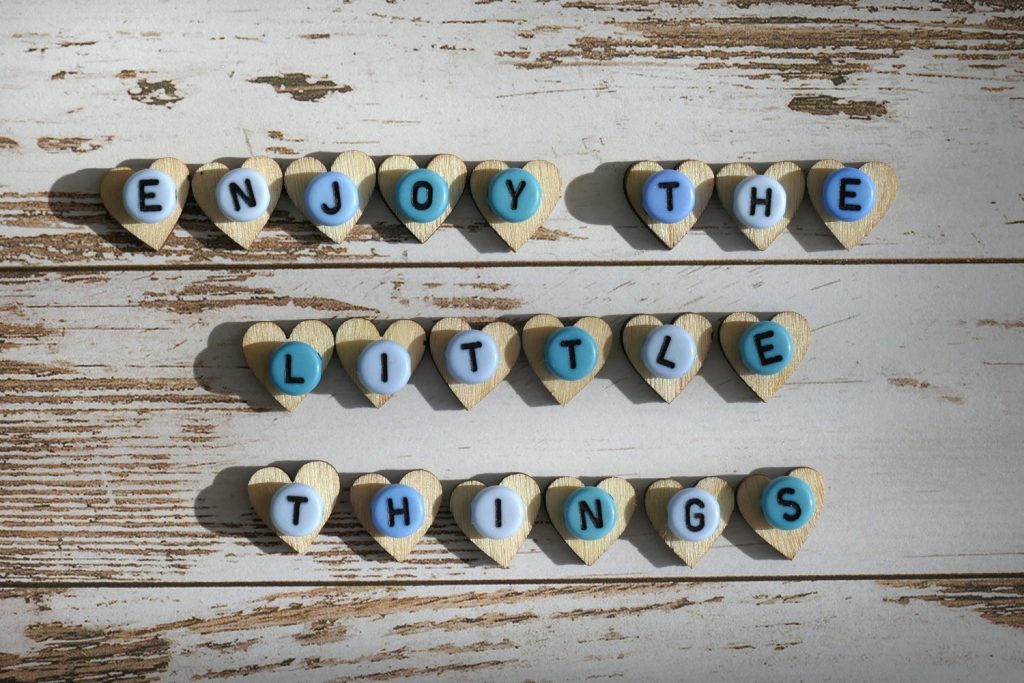
Grand romantic gestures get a lot of attention, but the daily, unremarkable moments — a good morning text, remembering a small detail your partner mentioned, checking in during a stressful day — build the actual foundation of a relationship over time. Couples often underestimate how much these small, consistent moments matter compared to occasional big gestures, which tend to be memorable but far less frequent than the small interactions that make up most of daily life together.
Be Practical: Create Relationship Agreements

Healthy relationships benefit from some level of practical agreement about how things will work — around finances, time with friends and family, household responsibilities, and expectations during conflict. This doesn’t need to be a rigid contract, but having explicit conversations about these practical realities prevents a lot of assumption-based conflict, where one partner assumes something will work a certain way and the other assumed something entirely different.
Learn to Ride the Waves

Relationships naturally move through periods of closeness and periods of more distance — this is normal, not a sign of failure. Expecting a relationship to maintain constant, unchanging intensity sets up unrealistic pressure. Couples who understand that connection ebbs and flows with life circumstances — stress, health, major transitions — are better equipped to ride out harder periods without assuming the relationship itself is broken.
Why This Advice Holds Up

What makes this collection of lessons different from trend-based advice is that none of it depends on a specific era, platform, or cultural moment — it reflects patterns that show up consistently across long-term relationships regardless of when or where they happen. Respect, realistic expectations, individual growth, practical communication, and the ability to forgive and repair aren’t trendy concepts; they’re the actual mechanics behind relationships that last.
Final Thoughts
There’s no shortage of this kind of guidance available, but most of it circles back to a smaller set of consistent truths: choose each other for real reasons, keep expectations grounded in reality, build the relationship on genuine respect, and treat both the big and small moments with intention. None of this makes a relationship effortless — every long-term partnership takes ongoing work — but understanding these fundamentals gives couples a much clearer foundation to build on than chasing whatever relationship trend happens to be popular at the moment.
READ MORE; Wayibo Relationships