

Most couples don’t fight because they don’t love each other. They fight because somewhere in the conversation, one person feels unheard, misunderstood, or attacked — and the conversation shifts from “let’s solve this” to “let’s win this.” If you’re looking for how to communicate better with your partner without fighting, the good news is that this is a learnable skill, not a personality trait some couples just happen to have.
This guide walks through why ordinary conversations turn into arguments, and the specific communication habits that keep discussions productive instead of explosive — even when you’re talking about something genuinely difficult.
Table of Contents
Why Small Conversations Turn Into Big Fights
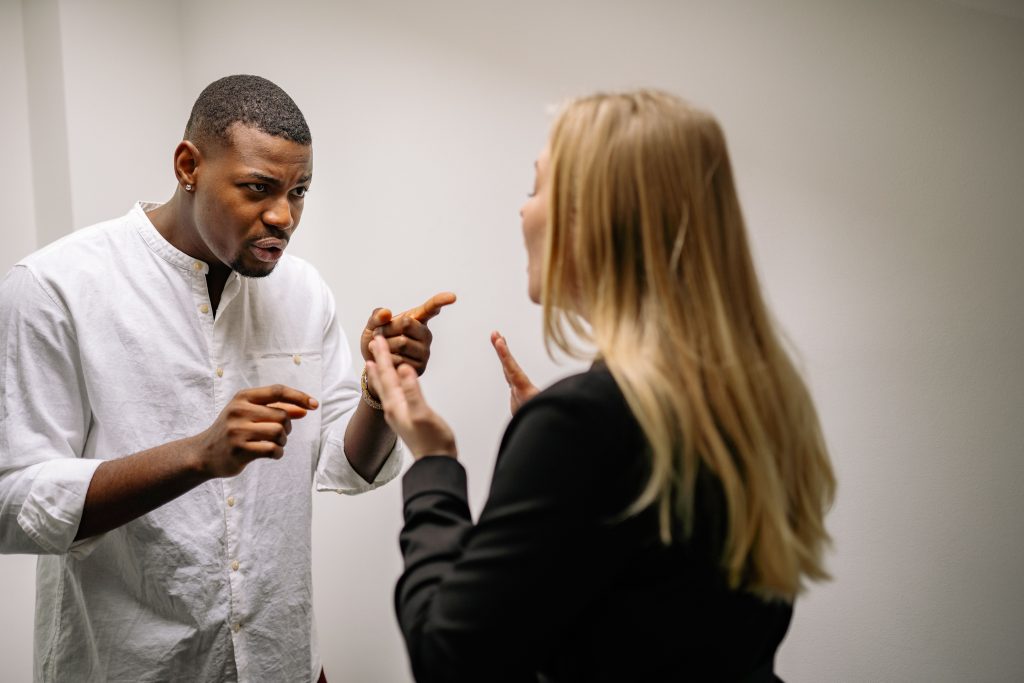
It rarely starts with the actual issue. A conversation about dishes left in the sink, being late, or a comment made in front of friends can spiral into a full-blown fight within minutes. That’s because most fights aren’t really about the surface topic — they’re about what the topic represents.
“You didn’t do the dishes” can quickly become “you don’t respect my time” in someone’s mind, even if that was never said out loud. Once a partner feels disrespected rather than simply reminded, the conversation stops being about dishes and starts being about defending themselves. Recognizing this pattern is the first step to interrupting it.
Habit 1: Say What You Need, Not What They Did Wrong

There’s a big difference between “You never listen to me” and “I need to feel heard when I’m talking about my day.” The first is an accusation — it puts your partner on the defensive immediately. The second is a need — it invites them to help you meet it.
This shift, often called using “I” statements instead of “you” statements, sounds simple but changes the entire tone of a conversation. Instead of:
- “You always ignore me when I talk”
Try:
- “I feel unheard when I’m talking and there’s no response — can we work on that?”
Same issue, completely different emotional reaction from the person hearing it.
Habit 2: Get Curious Before You Get Defensive

When your partner says something that stings, the instinct is to defend yourself immediately. But defending too fast often means you never actually understood what they meant in the first place.
Before responding, try asking one clarifying question: “Can you help me understand what you mean by that?” This does two things — it slows the conversation down before it escalates, and it often reveals that what you heard isn’t exactly what they meant. A huge percentage of fights come from misinterpretation, not actual disagreement.
Habit 3: Timing Matters More Than People Think

Bringing up a serious topic the moment your partner walks in tired from work, or right before bed when everyone’s exhausted, sets the conversation up to fail before it even starts. Not because the topic isn’t important, but because neither person has the emotional bandwidth to handle it well in that moment.
A simple habit that changes everything: ask, “Is this a good time to talk about something that’s been on my mind?” This gives your partner the chance to prepare mentally instead of being ambushed, and it signals respect for the conversation itself.
Habit 4: Separate the Person From the Problem

One of the fastest ways a conversation turns into a fight is when it shifts from addressing a specific behavior to attacking someone’s character. “You forgot to call me” is a behavior. “You’re so inconsiderate” is a character attack — and character attacks almost always trigger a defensive, combative response.
Stick to describing what happened and how it affected you, rather than labeling your partner as a type of person. This keeps the conversation about solving a specific issue instead of proving who’s “right” or “wrong” as a person.
Habit 5: Take a Real Pause When Things Get Heated
There’s a well-documented physiological response that happens during conflict — your heart rate rises, your body shifts into a mild fight-or-flight state, and rational thinking becomes harder. This is why conversations that start reasonably can spiral so quickly.
If you notice your heart racing or your thoughts getting sharper and less patient, it’s okay to say: “I want to keep talking about this, but I need ten minutes first.” The key is to actually return to the conversation afterward, rather than using the pause as an exit. A pause without a return just becomes avoidance.
Habit 6: Listen to Understand, Not to Respond

Most people listen while quietly preparing their next point instead of actually absorbing what’s being said. This is one of the most common — and most invisible — habits that fuels miscommunication.
Try genuinely pausing after your partner finishes speaking before you respond, even if it’s just for two or three seconds. It signals that you actually processed what they said instead of just waiting for your turn to talk. Small as it sounds, this single habit can noticeably reduce how often conversations turn tense.
Habit 7: Repair Quickly When You Slip Up

Even with the best communication habits, everyone occasionally says something sharper than they meant to. What separates couples who communicate well from those who don’t isn’t perfection — it’s how quickly they repair after a misstep.
A short, specific repair works better than a long explanation: “That came out harsher than I meant — let me say that again.” This small acknowledgment often de-escalates a moment before it turns into something bigger.
When Communication Issues Run Deeper
If every conversation seems to turn into conflict regardless of how carefully it’s approached, that may point to a deeper pattern — unresolved resentment, mismatched communication styles, or unmet needs that haven’t been addressed directly. In cases like this, working with a couples’ therapist can help both partners identify what’s actually happening beneath the surface, rather than continuing to manage the same recurring conflict on their own. If trust has also been affected by repeated conflict, it can help to work on that alongside communication — you can read more in our guide on how to rebuild trust after a fight in a relationship.
Final Thoughts
Good communication isn’t about never disagreeing — disagreement is a normal part of any close relationship. It’s about disagreeing in a way that keeps both people feeling respected, heard, and safe, even when the topic is difficult. These habits take practice, and no one gets them right every time. But couples who consistently practice them tend to fight less often, and when they do disagree, they resolve it faster and with far less damage to the relationship.
Communication is a skill, not a fixed trait — and like any skill, it gets stronger the more intentionally you practice it.