

There’s a quiet myth that’s shaped how a lot of us think about love: that the closer two people are, the more of their lives should overlap. Same hobbies, same friends, same evenings, same everything — as if love were measured by how much space is left between two people. But some of the deepest, most enduring relationships are built on something a little different — a gentle kind of closeness that doesn’t require constant togetherness to feel real. It’s sometimes called parallel intimacy, and understanding it might be one of the softest, most freeing shifts you can make in how you love someone.
Table of Contents
What Parallel Intimacy Actually Means

Parallel intimacy is the idea that two people can be deeply connected while still living, in some real sense, side by side rather than completely intertwined — each person maintaining their own inner world, their own quiet pursuits, their own sense of self, while still being genuinely close. Picture two people reading in the same room, each lost in a different book, comfortable in the shared silence without needing to fill it. That’s the feeling at the heart of it — togetherness that doesn’t require sameness.
This isn’t distance dressed up as a virtue. It’s the recognition that closeness doesn’t have to mean merging into one shared identity to be real, and that sometimes, a little space is exactly what lets love breathe.
Why Two People Merging Completely Isn’t the Same as Being Close

It’s easy to mistake doing everything together for being deeply connected — after all, it feels devoted, it feels safe. But when two people slowly lose the edges of who they were before the relationship — the friendships they let fade, the hobbies they quietly stopped making time for, the small parts of themselves they shelved to keep the peace — something tender is often lost along with it. Not because togetherness is wrong, but because a relationship made entirely of one shared identity has less room for the curiosity, the small mysteries, the quiet wondering about the other person that keeps love alive over time.
There’s something beautifully counterintuitive here: the version of your partner you fell for probably had a full, separate life before you — their own passions, their own rhythms, their own way of moving through the world. Parallel intimacy is, in part, about making sure that person doesn’t quietly disappear.
The Gentle Case for Space
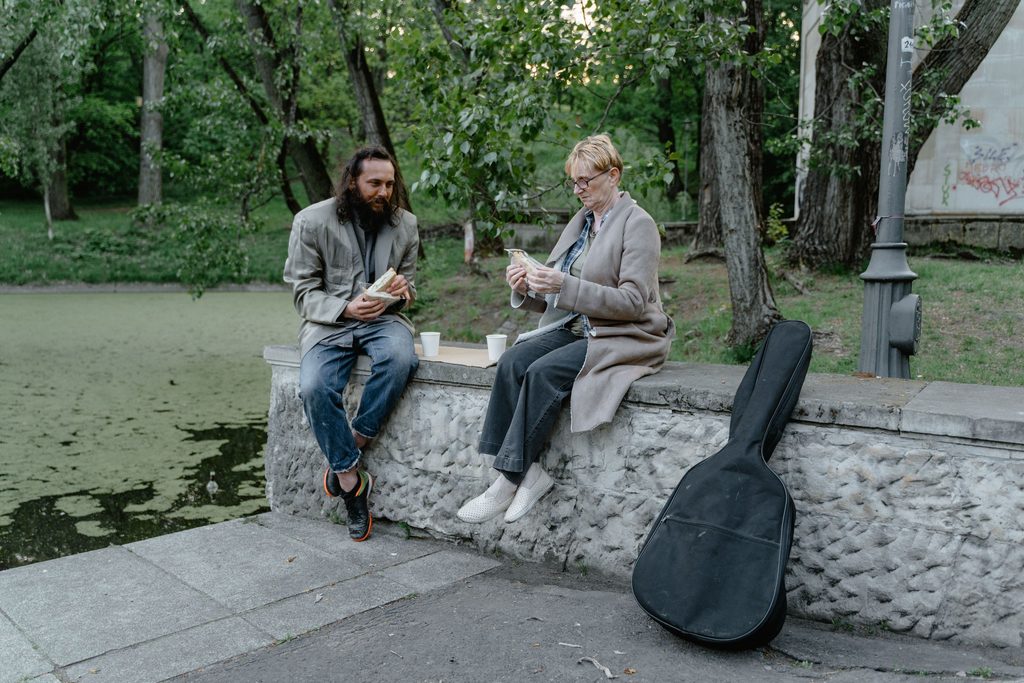
Giving each other room isn’t about creating distance — it’s often what makes the closeness that follows feel more genuine. When you spend an evening pursuing something entirely your own — a hobby, a walk alone, time with an old friend — you come back to your partner with something to share, some small piece of your day or your heart that they weren’t there for. That little act of coming back together, again and again, is its own quiet form of intimacy — a reminder that you choose each other, not just because you’re always together, but because you keep choosing to return.
Space also protects something delicate: the sense of still being a little bit unknowable to each other, even after years together. A relationship with room to breathe tends to hold on to a gentle sense of curiosity — there’s always a little more to discover, a little more to ask about, a little more of your partner’s inner world left to explore.
What Parallel Intimacy Looks Like in Everyday Life

Maintaining friendships and interests that are entirely your own. Not as an escape from the relationship, but as a way of staying a full, whole person within it — someone with their own stories to bring home.
Spending some time simply existing near each other, not performing togetherness. Two people cooking in the same kitchen without needing to talk the whole time. Reading side by side. Working on separate things in the same room. This quiet, undemanding closeness is often where people feel most at ease with each other.
Respecting each other’s need for solitude without taking it personally. A partner who needs an hour alone after a long day isn’t pulling away from you — they’re simply tending to themselves so they can show up fully when they’re ready. Learning to see this as care rather than rejection changes everything about how it feels.
Coming back together with genuine curiosity. Asking about each other’s separate time not out of obligation, but because you’re actually interested — treating your partner’s inner world as something worth continually discovering, not something you’ve already fully mapped out.
Letting go of the need to always be needed. A relationship with healthy space allows both people to want each other, rather than simply relying on each other out of habit or fear of being alone. Wanting tends to feel warmer and more alive than needing.
Parallel Intimacy Isn’t About Emotional Distance

It’s worth being gentle and clear here: this isn’t about withholding affection, avoiding vulnerability, or building walls between two people. The tenderness in parallel intimacy comes from trusting that closeness doesn’t require constant proximity — that you can love someone deeply and still let them have a full, separate life, and that doing so isn’t a threat to what you share, but often exactly what protects it.
If space is being used to avoid real emotional connection altogether — consistently dodging vulnerable conversations, staying physically or emotionally unavailable — that’s a different pattern, one rooted in avoidance rather than genuine balance. The heart of parallel intimacy is warmth with room to breathe, not distance disguised as independence.
A Softer Way to Think About Love

Maybe the sweetest part of this idea is what it quietly suggests about love itself: that you don’t have to disappear into someone to be close to them. That two whole people, each still becoming who they are, can choose each other — not out of habit, not out of fear of being alone, but because they genuinely want to keep showing up, side by side, curious about each other for years to come. There’s a particular kind of tenderness in loving someone enough to let them stay fully themselves — and in trusting that when you both come back together, it’s because you want to, not because you never really left.
Final Thoughts
Love doesn’t need to erase the edges of who you are to be real. Some of the gentlest, most lasting relationships are the ones where two people remain whole on their own, and choose, again and again, to come home to each other anyway. Parallel intimacy isn’t a formula or a rulebook — it’s simply a quieter, softer permission: to hold onto yourself, to give your partner room to hold onto themselves, and to trust that the love between you is strong enough to survive a little space, and often, made even sweeter by it.