


For over a decade, dating culture was defined by speed — swipe fast, match often, keep multiple conversations going at once, and move on quickly if something didn’t click. That model produced a lot of matches and not a lot of lasting connection. In response, a quieter, more deliberate approach has been gaining real traction: slow dating. It isn’t a rulebook or a rigid method — it’s a shift in mindset, and understanding what it actually involves can change how dating feels, whether you’ve been at it for years or you’re just starting out.
Table of Contents
What Slow Dating Actually Means
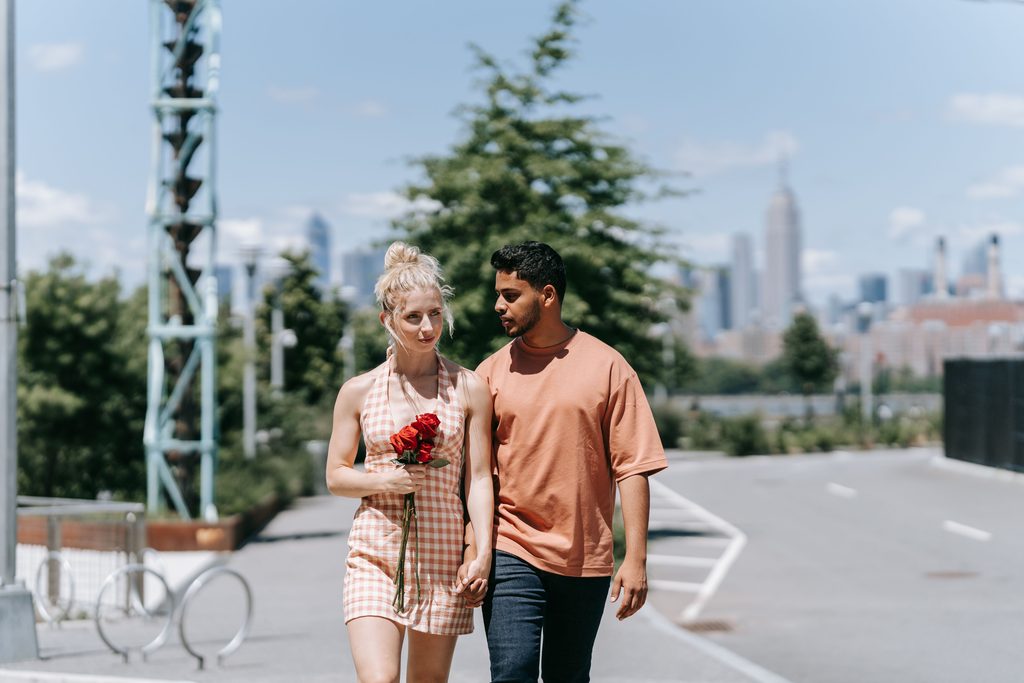
Slow dating means focusing on fewer connections at once, giving each one genuine time and attention to develop, rather than juggling a wide rotation of matches and conversations simultaneously. It’s less about a fixed timeline and more about a shift in priorities — depth over volume, and emotional pacing over urgency.
This doesn’t mean slow dating is about being passive or waiting indefinitely to see what happens. It’s an intentional choice to reduce the number of active connections so that each one gets more genuine attention, rather than spreading limited time and emotional energy across many surface-level interactions at once.
Why Slow Dating Is Gaining Ground
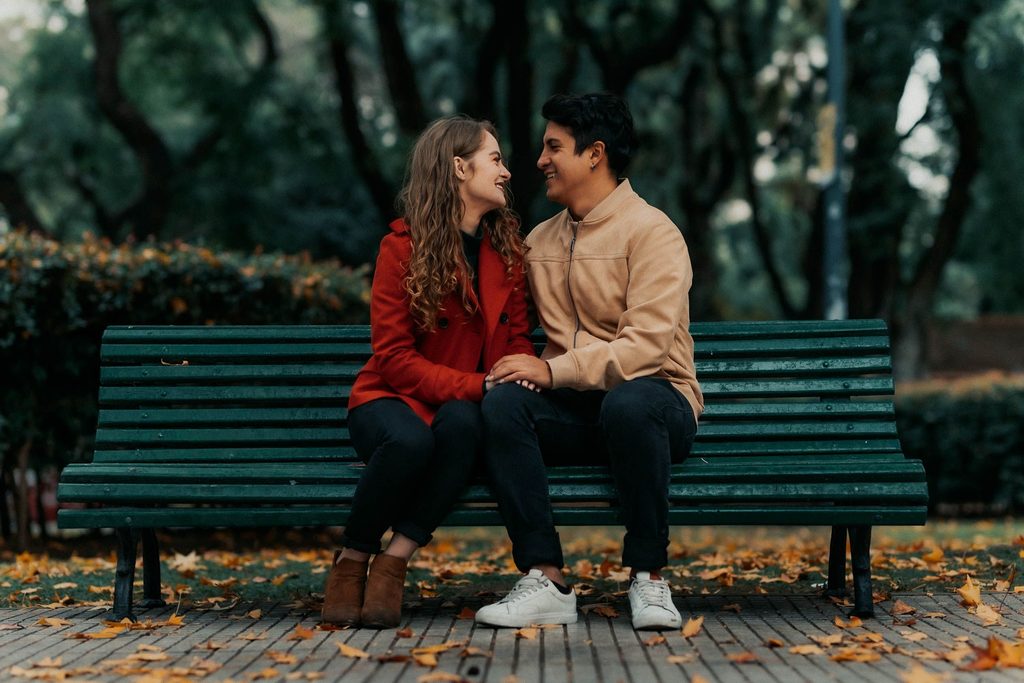
The rapid-swiping model that defined app-based dating for years came with a real cost: decision fatigue, emotional burnout, and a strange paradox where more options often made people feel less satisfied, not more. Constantly comparing a current conversation to a dozen other open possibilities makes it genuinely difficult to invest emotionally in any single one.
Slow dating responds directly to that fatigue. By narrowing focus, it reduces the constant comparison loop and gives each connection room to actually develop past the surface-level small talk that dominates the early stages of most app-based interactions. It also allows for a more accurate read on compatibility — patterns and character tend to reveal themselves over repeated, unhurried interactions in a way that a few quick exchanges simply can’t capture.
What Slow Dating Looks Like in Practice
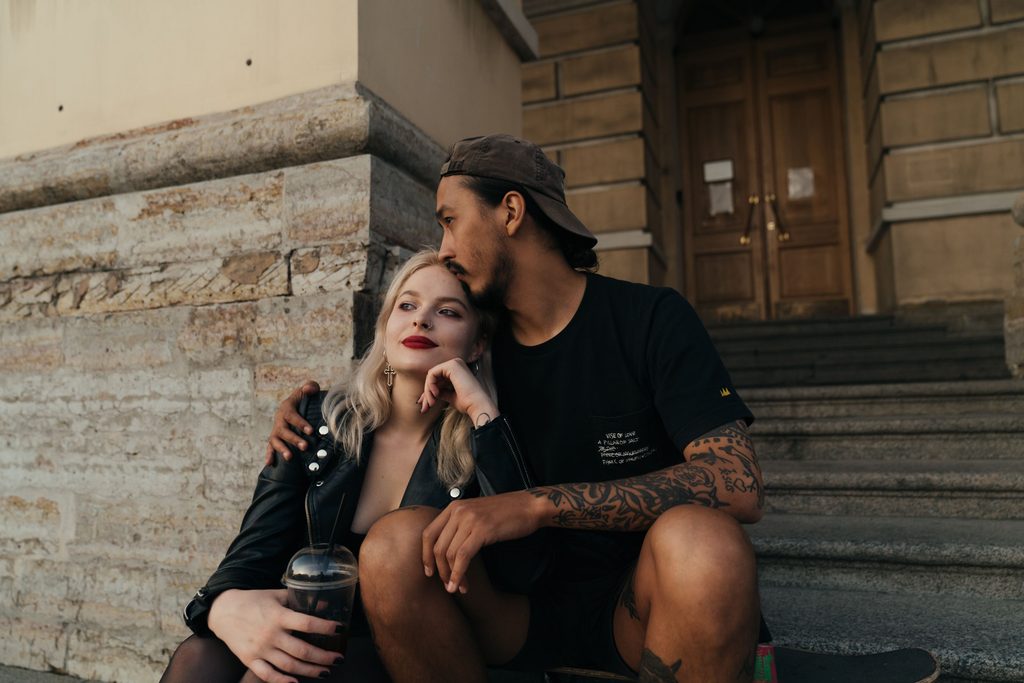
Fewer active conversations at once. Rather than keeping five or six matches going simultaneously, slow dating means narrowing focus to one or two connections that feel genuinely promising, and giving them real attention instead of splitting focus across many.
Longer runway before meeting in person. This doesn’t mean weeks of texting before a first date — it means allowing enough conversation to build some initial context and comfort, rather than rushing straight to a meetup based purely on a photo and a bio.
Prioritizing quality time over quantity of dates. A slower approach often means fewer, more meaningful dates rather than a high volume of quick coffee meetups treated as a screening process. Longer, more engaged time together allows for a more genuine read on how the connection actually feels.
Allowing emotional pacing to develop naturally. Slow dating resists the pressure to define the relationship, become exclusive, or reach major milestones on an artificially accelerated timeline, allowing trust and intimacy to build at a pace that actually matches how the connection is genuinely developing.
Being intentional about follow-through. Rather than letting conversations fade out through inconsistency (a pattern sometimes called “slow fading”), slow dating tends to involve clearer communication about interest level and availability, even when that means having a direct, sometimes uncomfortable conversation.
Slow Dating Isn’t the Same as Taking Things Too Slowly

There’s an important distinction worth making: slow dating is about depth and intentionality, not about dragging things out indefinitely or avoiding commitment out of fear. A slow dating approach still moves toward clarity — it just gets there through genuine connection-building rather than artificial urgency.
If a connection consistently lacks any forward movement — no increasing depth, no willingness to define things, no real effort — that’s not slow dating, that’s stagnation, and it’s worth recognizing the difference. Slow dating is a deliberate pace toward something real; it isn’t a permanent holding pattern.
Why This Approach Tends to Build Stronger Foundations
Relationships that develop gradually, with each person genuinely getting to know the other before major commitments are made, tend to be built on a more accurate understanding of who the other person actually is — not just the curated, best-foot-forward version presented in the first few interactions. Rushing past this stage often means committing based on chemistry and initial impressions alone, without enough real information about compatibility, values, and how the other person handles everyday life, stress, or conflict.
This is part of why slow dating has been linked to a renewed interest in in-person, activity-based meeting — cooking classes, hiking groups, shared hobbies — over purely app-based interaction. These settings naturally slow the pace, since connection has to build through actual shared experience rather than curated profiles and rapid-fire messaging.
How to Practice Slow Dating Without Feeling Behind
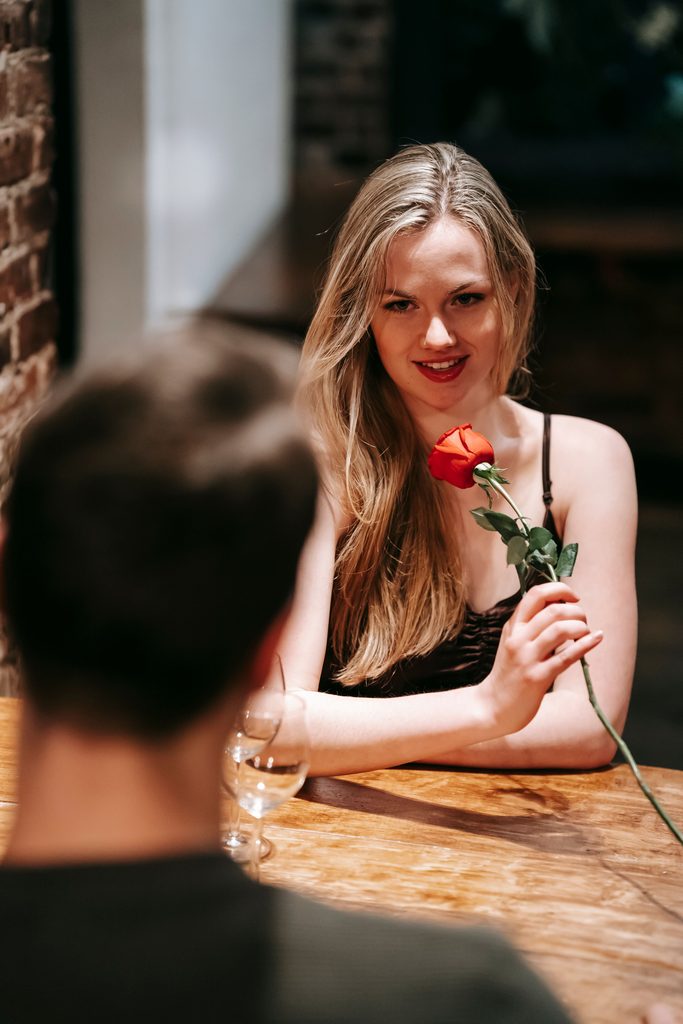
Resist the urge to compare your timeline to others. Slow dating works precisely because it isn’t rushed — comparing your pace to friends’ faster-moving relationships or social media timelines undermines the entire point.
Communicate your pace directly. If you’re intentionally taking things slower, saying so directly avoids ambiguity and helps ensure both people are on the same page, rather than one person feeling like the relationship is moving too slowly without knowing why.
Use the extra time productively. The slower pace isn’t just about restraint — it’s an opportunity to genuinely observe how someone communicates, handles disagreement, and treats other people, information that’s much harder to gather from a handful of rushed interactions.
Stay open to adjusting your pace as trust builds. Slow dating isn’t about permanently limiting depth — it’s about not forcing depth before it’s genuinely there. As trust and connection build naturally, the pace can (and should) evolve accordingly.
Final Thoughts Slow Dating
Slow dating isn’t really a new invention — in many ways, it’s a return to how relationships developed before app-based dating compressed timelines and multiplied options. What makes it worth understanding now is the growing recognition that speed and volume were never actually correlated with better outcomes — if anything, the opposite has often proven true. Choosing fewer, more intentional connections, and giving each one genuine time to develop, tends to produce relationships built on a far more accurate foundation than moving quickly ever could. In a dating culture that spent over a decade optimizing for speed, slowing down might be exactly what actually works.


2 thoughts on “Slow Dating: What It Actually Means and Why It’s Changing How People Date”
Comments are closed.