


Some pieces come and go with a single season. The slip dress isn’t one of them. It first found its footing as a slinky, bias-cut nightgown-turned-daywear moment decades ago, disappeared for a stretch, and has resurfaced again and again ever since — each time reworked just enough to feel current without losing what made it work in the first place. If you’re wondering how to style a slip dress in a way that actually looks intentional rather than like you’re wearing underwear in public (a genuine early criticism of the trend), this guide covers everything from fabric choice to layering to seasonal styling, so you can wear it with confidence in any context.
Table of Contents
Why the Slip Dress Keeps Coming Back
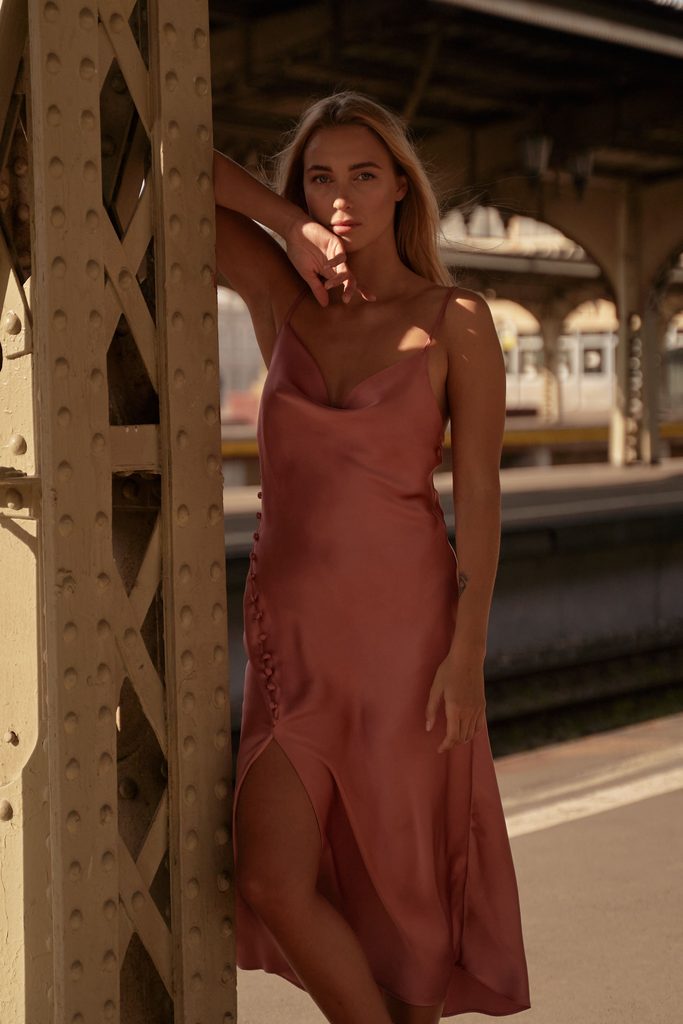
Most trends cycle in and quietly disappear. The slip dress cycles in, evolves slightly, and sticks around in some form almost permanently. Part of its staying power comes from how genuinely flexible the silhouette is — a simple, often bias-cut dress with thin straps can read as effortlessly glamorous, quietly minimalist, or unexpectedly edgy, entirely depending on what it’s paired with. Very few silhouettes can move that fluidly between aesthetics without losing their identity.
The other part of its appeal is practical: a slip dress is one of the easiest pieces to dress up or down, which makes it disproportionately useful compared to how simple it actually is to make. Understanding how to style a slip dress properly means understanding that its simplicity is the entire point — the styling around it is where the outfit actually comes together.
Choosing the Right Slip Dress to Start With
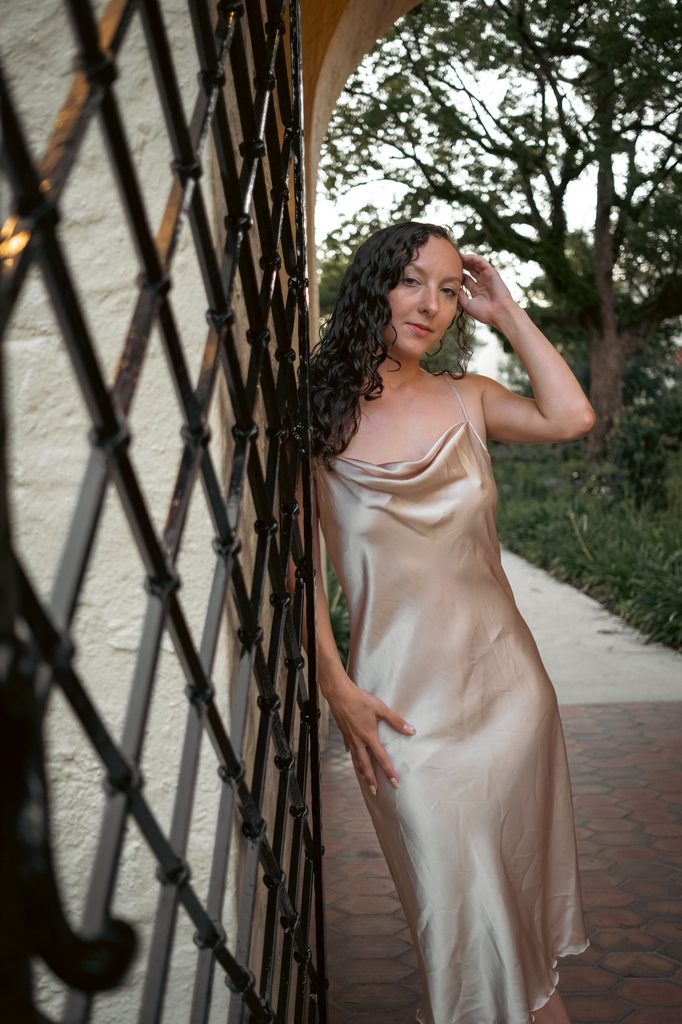
Before getting into styling, it’s worth addressing what to actually look for, because not all slip dresses behave the same way.
Fabric matters enormously. A true satin or silk-like fabric drapes closer to the body and catches light in a way that reads more elevated, but it also shows every wrinkle and clings in ways that some people find less forgiving. A matte, slightly heavier fabric (like a crepe or a silk-cotton blend) holds its shape a bit more and can feel more versatile for daytime styling, since it doesn’t read quite as overtly “eveningwear.”
Cut matters just as much as fabric. A bias-cut slip dress (cut diagonally across the fabric grain) tends to skim the body more fluidly and move beautifully, which is part of why the original slip dresses became iconic in the first place. A straight-cut version is generally more forgiving and easier to layer, since it doesn’t cling as closely.
Length changes the entire personality of the dress. A midi or ankle-length slip dress leans elegant and slightly more formal by default. A mini slip dress leans younger, more casual, and pairs more naturally with a streetwear-adjacent styling approach. Neither is more “correct” — the right length depends on the specific look you’re building toward.
How to Style a Slip Dress for Daytime

This is where most people get stuck, because the slip dress has such strong eveningwear associations that daytime styling can feel counterintuitive. The trick is layering it down rather than trying to make the dress itself look more casual.
Layer a simple t-shirt underneath. A plain, well-fitted t-shirt worn under a slip dress — with the dress’s straps visible over the shoulders of the tee — instantly transforms the whole look from “going out” to “effortless daytime cool.” This pairing has become one of the most reliable ways to wear a slip dress outside of evening contexts, largely because it immediately reads as intentional rather than accidental.
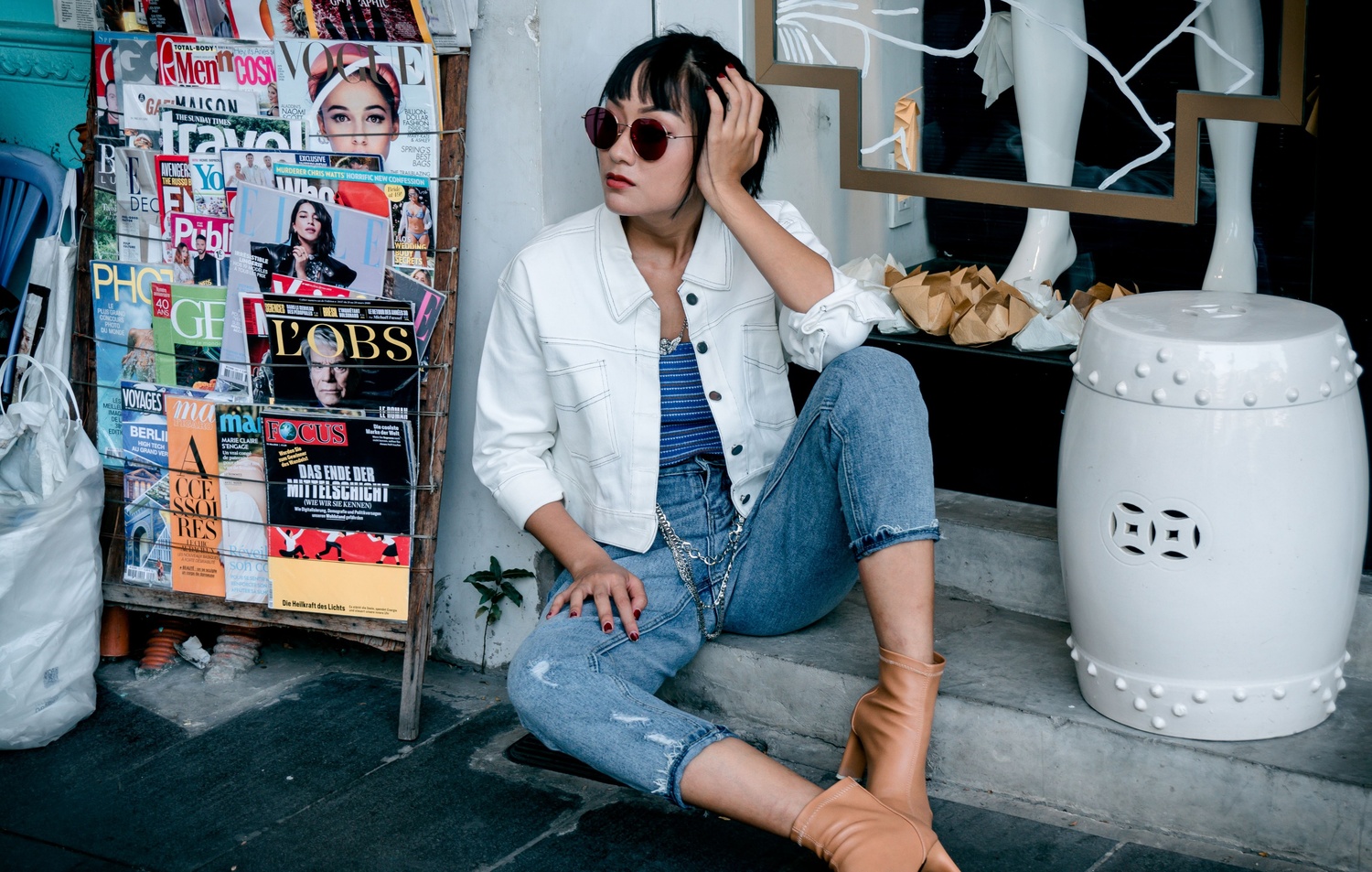
Add a denim or utility jacket over it. Throwing a cropped denim jacket or a simple utility jacket over a slip dress instantly grounds the look, cutting the formality and adding a layer of texture that a slip dress alone doesn’t have. This combination works particularly well for daytime errands, casual lunches, or transitional weather.
Swap heels for flats or sneakers. Footwear does more to signal “daytime vs. evening” than almost anything else in this outfit. A pair of white sneakers or simple ballet flats under a slip dress immediately reads as relaxed, while the same dress with heels shifts the entire mood toward evening.
Layer a chunky knit cardigan over it during cooler months. This combination — delicate slip dress fabric against a substantial, textured knit — creates a contrast that feels considered rather than mismatched, and it’s one of the most popular ways to wear a slip dress once the weather cools.
How to Style a Slip Dress for Evening

This is the context the slip dress was originally built for, and it’s still where it shines the most, but there’s a real difference between styling it well and simply wearing it as-is.
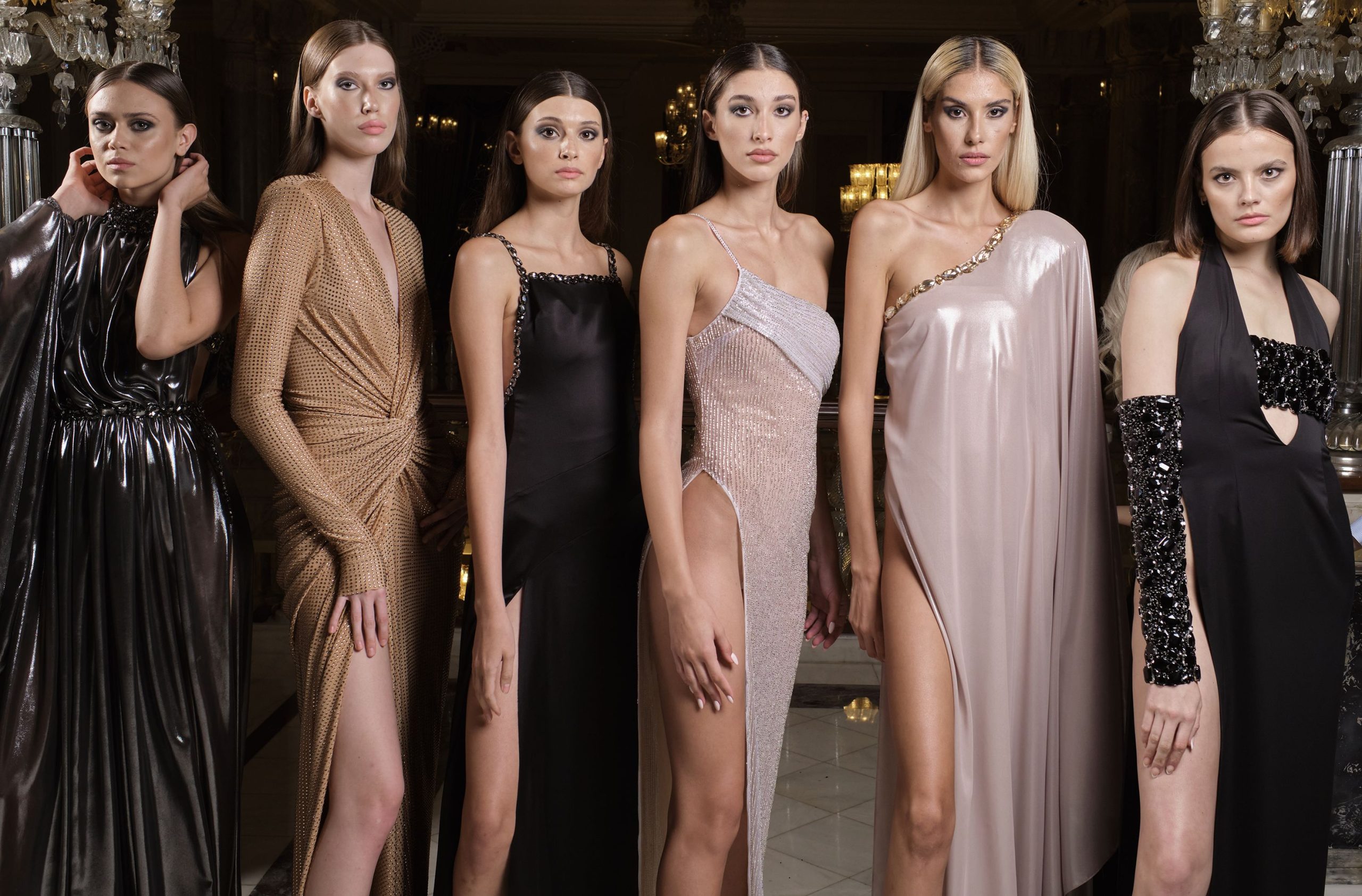
Let the dress be the statement and keep everything else minimal. Because a slip dress already has a strong, fluid silhouette, over-accessorizing tends to compete with it rather than complement it. A single delicate necklace, small earrings, and a simple clutch usually read as more elevated than a fully accessorized look.
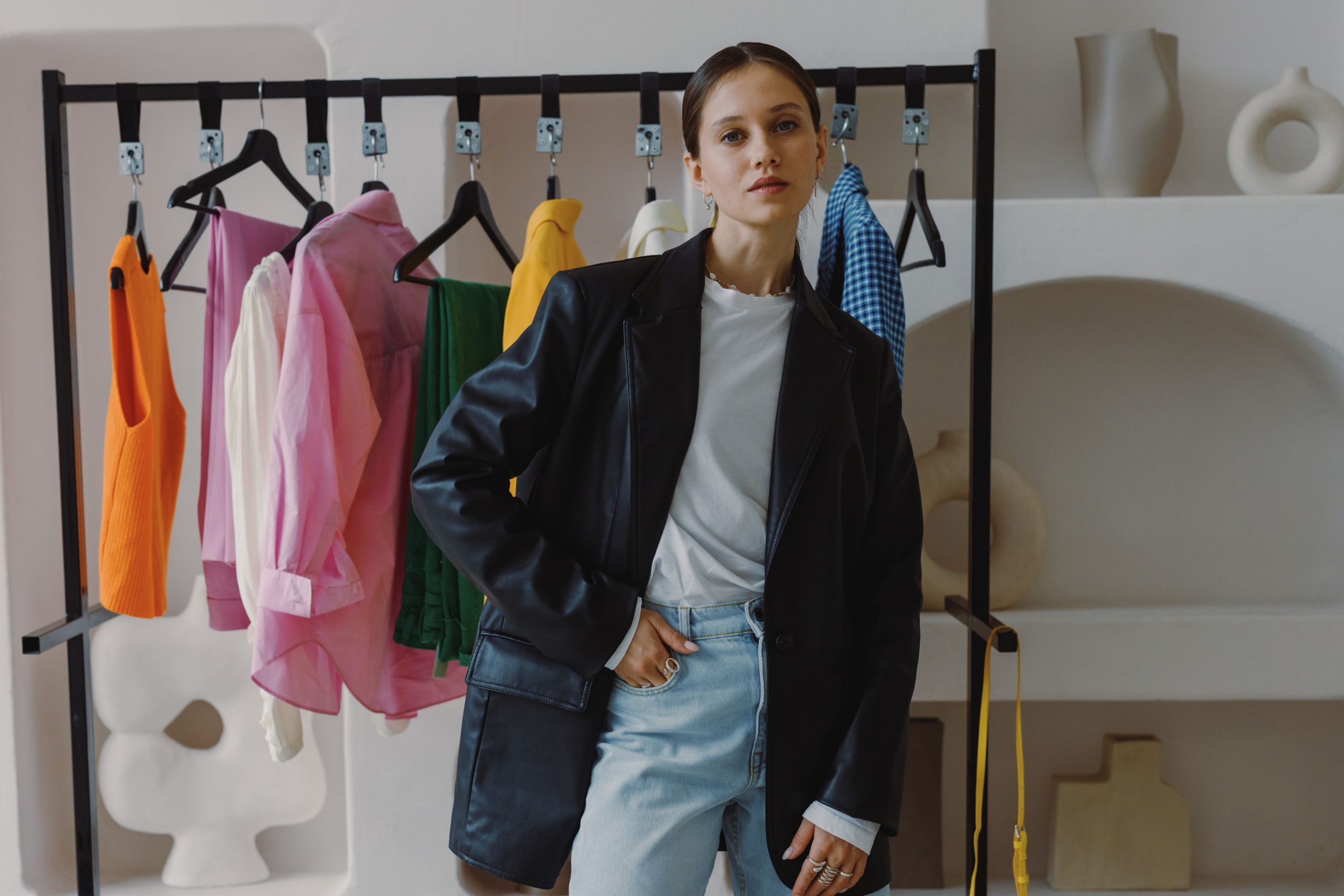
Add structure with a blazer. Layering a tailored blazer over a slip dress — left open, or with just the top button closed — is one of the most consistently popular evening combinations, because it plays the fluid, soft dress against the sharp, structured jacket. This pairing works across formal and semi-formal settings and tends to photograph exceptionally well because of that contrast.
Choose heels that match the dress’s formality. A strappy heel or a simple pump elongates the leg line and matches the dress’s inherent elegance. Chunkier shoe styles can work for a more fashion-forward, deliberately contrasted look, but they shift the overall feel toward edgier rather than classically elegant.
Consider a slightly bolder lip or eye if the rest of the styling stays minimal. Because slip dresses tend to work best with restrained accessories, this is often where people add a bit more personality — a bold lip color pairs particularly well with the dress’s clean lines, since there’s little else competing for attention.
Styling a Slip Dress Across Seasons

Spring and summer: This is the slip dress’s most natural season. Worn alone, with minimal layering, it takes advantage of warmer weather while still looking put-together. Adding a light, structured bag and simple sandals keeps the whole look breezy without underdressing.
Fall: This is where layering becomes essential, and also where some of the most interesting styling happens. A slip dress under a chunky cardigan or oversized sweater, paired with ankle boots and opaque tights if needed, transforms a warm-weather piece into something that works well into cooler months. A leather or suede jacket layered over a slip dress also creates a strong fall-appropriate silhouette.
Winter: A slip dress can still work in colder months with the right layering strategy — a fitted turtleneck worn underneath, paired with tights, boots, and a substantial coat, keeps the silhouette intact while making it functional for genuinely cold weather. This approach has become increasingly popular precisely because it extends a warm-weather piece into a much longer wearable window.
Transitional weather: A slip dress layered over a long-sleeve top, with a light jacket and boots, is one of the most versatile transitional-season combinations, since it can shed or add layers depending on how the temperature shifts throughout the day.
Body Type Considerations (Without the Rules-Based Approach)
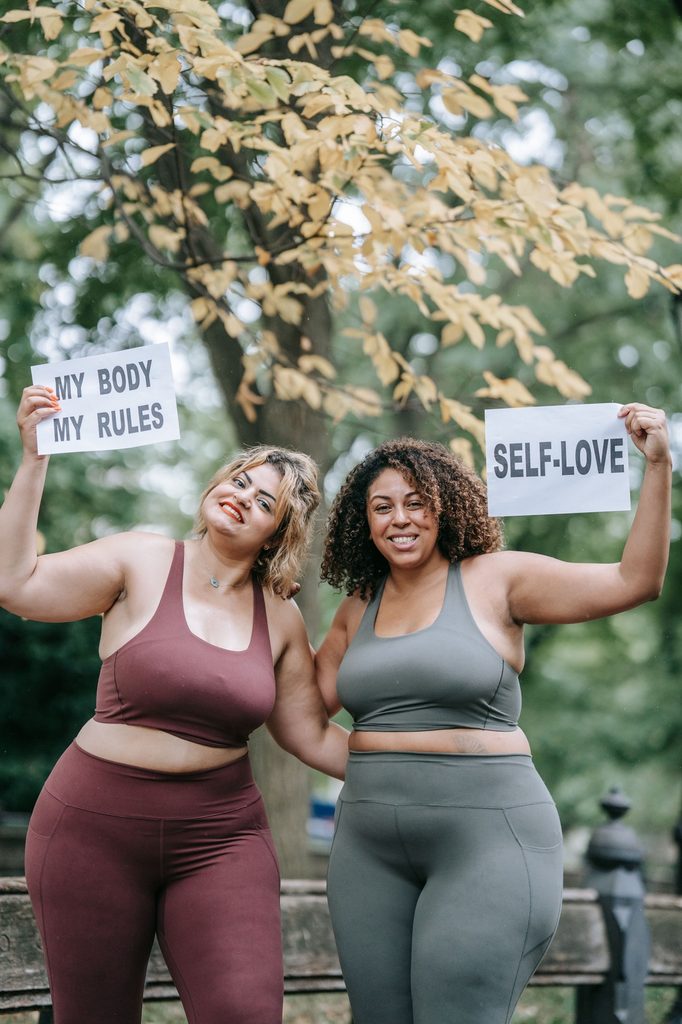
Rather than framing this as a list of rules about who “should” or “shouldn’t” wear a slip dress — a framing that tends to be more limiting than helpful — it’s more useful to think about how fit and cut can be adjusted to feel comfortable and flattering for different preferences.
If clinginess feels like a concern, choosing a slightly heavier fabric or a straight-cut (rather than bias-cut) style reduces how closely the dress follows the body’s natural shape. A defined waist — whether built into the dress or added with a thin belt — can create shape for anyone who wants a more structured silhouette rather than a fully fluid one. And for anyone who prefers more coverage up top, layering a fitted top or turtleneck underneath (as covered in the seasonal section above) changes the neckline entirely while keeping the rest of the silhouette intact.
The core idea worth taking away: the slip dress is a genuinely adaptable base, not a fixed, one-way-to-wear-it piece — the styling choices around it do most of the work in shaping how it ultimately looks and feels.
Common Slip Dress Styling Mistakes
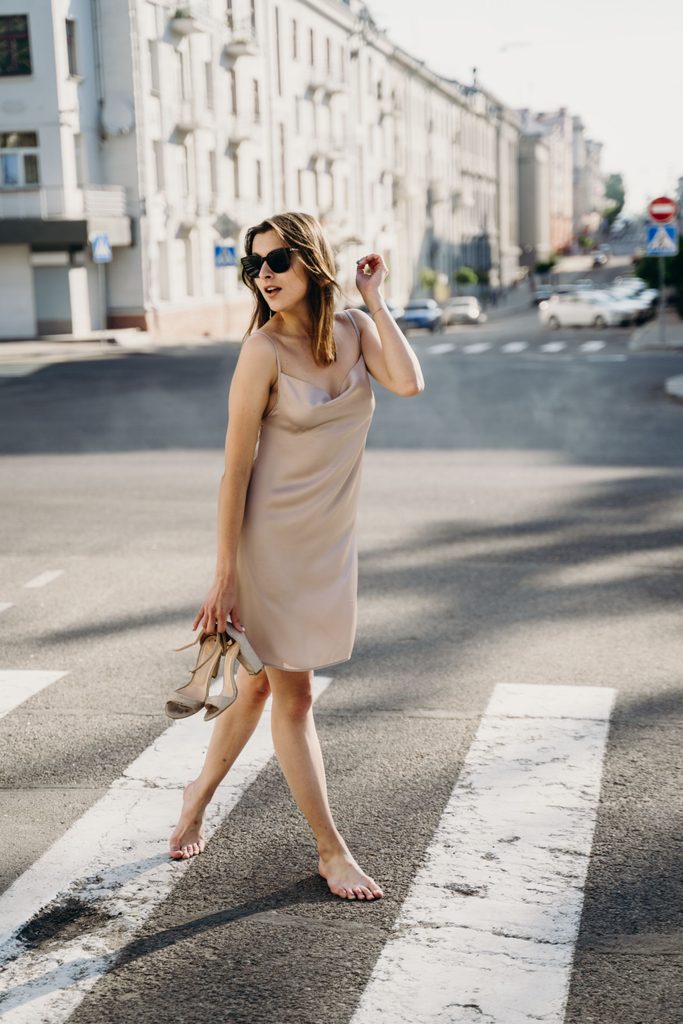
Treating it as strictly formal wear. As covered extensively above, one of the biggest missed opportunities is assuming a slip dress only works for dressed-up occasions, when daytime styling — with the right layering — is just as viable and arguably more versatile.
Over-accessorizing. Because the dress itself already has a strong presence, piling on multiple statement accessories often competes with the silhouette rather than enhancing it. Restraint tends to read as more elevated than maximalism with this particular piece.
Ignoring fabric quality. A slip dress in a low-quality, overly shiny synthetic fabric tends to look cheap regardless of how well it’s styled. Investing slightly more in a fabric that drapes and moves well makes a noticeable difference in how the entire outfit reads.
Skipping the slip (literally). Because slip dresses are often made from lightweight, sometimes semi-sheer fabric, wearing an actual slip or seamless undergarment underneath — especially in lighter colors — prevents visibility issues and helps the dress hang more smoothly.
Not considering the bra situation in advance. The thin straps and often low or scooped necklines common to slip dresses mean a regular bra frequently doesn’t work. Adhesive bras, strapless options, or dresses with built-in support solve this, but it’s worth planning for before getting dressed, not figuring out at the last minute.
Building a Slip Dress Into a Long-Term Wardrobe
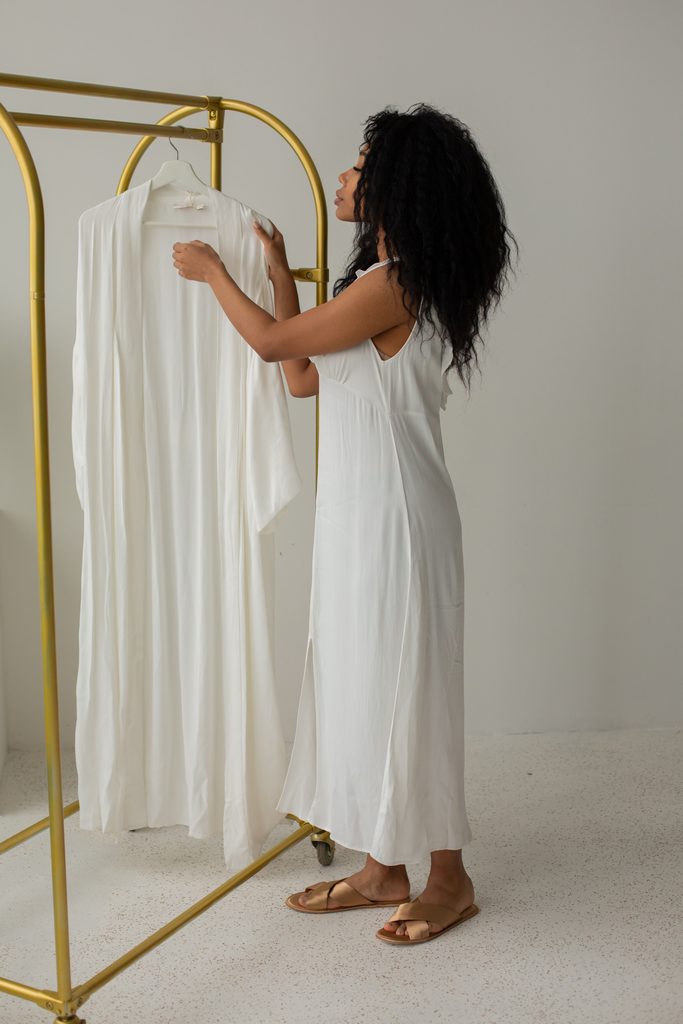
Because the slip dress moves so easily between seasons and occasions with the right styling, it’s a strong candidate for a wardrobe built around versatility rather than single-use pieces. A well-chosen, good-quality slip dress in a neutral tone — black, ivory, or a deep jewel tone — can realistically be styled a dozen different ways across an entire year, which makes it one of the more cost-effective pieces in terms of actual cost-per-wear, despite sometimes carrying a higher price tag than more basic pieces.
Final Thoughts
The reason the slip dress keeps resurfacing, generation after generation, isn’t really about nostalgia — it’s about how much range a genuinely simple silhouette can offer once you understand how to style it. Layered under a sweater, paired with sneakers, dressed up under a blazer, or worn alone in warm weather, the same slip dress can move through an entire year and an entire range of occasions without ever feeling repetitive. Once you understand how to style a slip dress across these different contexts, it stops being a single-occasion “going out” piece and becomes one of the most genuinely flexible items a wardrobe can hold.
2 thoughts on “How to Style a Slip Dress: The Complete Guide for Every Season”
Comments are closed.