


Relationships rarely move in a straight line, but they do tend to move through recognizable phases — periods with distinct emotional textures, different challenges, and different things each partner needs from the other. Understanding the stages of a relationship isn’t about reducing love to a rigid formula. It’s about recognizing that certain shifts — the fading of initial euphoria, the friction that often follows, the deeper stability that can come after — are normal, predictable parts of how relationships actually develop, not signs that something has gone wrong.
This guide walks through each of the five recognized stages in detail, what’s actually happening during each one, and — most importantly — how to move through the more difficult stages instead of mistaking them for the end of the relationship.
Table of Contents
Why Understanding Relationship Stages Matters

A huge number of relationships end during a specific, predictable phase — not because the relationship was fundamentally wrong, but because neither partner understood that what they were experiencing was a normal stage, not a permanent verdict on the relationship’s future. Recognizing which stage you’re in gives you a framework for what to expect, what’s developmentally normal, and what actually requires attention versus what will likely resolve naturally as the relationship continues to evolve.
Stage 1: The Romance Stage

This is the stage most people associate with falling in love — often described, only half-jokingly, as feeling almost like a chemical high. And there’s real biology behind that comparison. During this stage, the brain releases elevated levels of dopamine, norepinephrine, and other neurochemicals associated with reward and euphoria, creating the intense, almost obsessive focus on a new partner that defines early romantic attraction.
What this stage actually feels like: Constant thoughts about the other person, a strong pull toward spending as much time together as possible, and a tendency to see the relationship — and the partner — through an idealized lens. Flaws are minimized or overlooked entirely, and compatibility can feel effortless because both people are typically presenting their best, most agreeable selves.
Why it doesn’t last: This isn’t a flaw in the relationship — it’s simply not biologically sustainable. The intense neurochemical response of early infatuation naturally decreases over time, typically somewhere between six months and two years, as the brain and body adjust. This is one of the most important things to understand about relationship stages: the fading of that initial intensity is normal and expected, not a sign that the relationship is failing.
What to know: Many relationships that end early do so because one or both partners mistake the natural fading of infatuation for falling out of love, rather than recognizing it as the expected transition into the next, more grounded stage.
Stage 2: The Power Struggle Stage

This is widely considered the most difficult stage — and also the stage where the highest number of relationships end. As the initial idealization fades, partners begin to see each other more realistically, flaws and all, and differences that were minimized or unnoticed during the romance stage start to surface as genuine points of friction.
What this stage actually feels like: Increased conflict, frustration over differences that previously seemed insignificant, and often a subconscious attempt by each partner to get the other to change in order to feel more secure or comfortable. Arguments during this stage can feel more frequent and more charged than anything experienced during the earlier stage, which can be genuinely destabilizing if it isn’t understood as a normal developmental phase.
Why it happens: As the emotional high of early romance fades, each partner starts operating from a more authentic, less curated version of themselves — and so does their partner. Differences in habits, values, communication styles, and needs that were easy to overlook during the initial glow become much more visible once daily life together settles into more of a routine.
How long it typically lasts: This varies significantly between couples, but it’s often one of the longer stages, sometimes extending for months or even a couple of years, depending on how directly the underlying issues are addressed.
How to get through it: This stage is exactly where the skills that determine long-term relationship success actually get built — not avoided. A few things make a genuine difference:
- Recognize the pattern for what it is. Understanding that friction during this stage is developmentally normal — rather than proof the relationship is fundamentally incompatible — changes how couples interpret and respond to conflict.
- Address differences directly rather than trying to change your partner. The instinct during this stage is often to push a partner toward becoming more like what feels comfortable or familiar. A more productive approach is learning to negotiate and accept genuine differences, rather than treating them as problems to be solved through change.
- Learn to fight productively. This stage tends to involve real conflict, and how that conflict is handled matters enormously. Addressing the specific issue rather than attacking character, staying willing to understand a partner’s perspective, and working toward resolution rather than “winning” all make the difference between conflict that strengthens a relationship and conflict that erodes it.
- Expect this stage to require real effort. Unlike the romance stage, which largely happens automatically, moving successfully through the power struggle stage requires intentional communication and a genuine willingness to work through disagreement rather than avoid it.
Couples who successfully navigate this stage typically emerge with a far more realistic, resilient understanding of each other — which is exactly what makes the following stages possible.
Stage 3: The Stability Stage

Once a couple has worked through the friction of the power struggle stage, relationships often settle into a period of greater calm, acceptance, and consistency. This doesn’t mean disagreements disappear entirely, but the intensity and frequency of conflict typically decreases significantly, replaced by a more grounded, realistic understanding of each other.
What this stage actually feels like: A sense of security and predictability that wasn’t present in the earlier stages. Partners generally know what to expect from each other, have developed workable patterns for handling disagreement, and have moved past trying to change one another into accepting each other more fully, including the parts that aren’t a perfect match.
Why this stage matters: This is often where genuine trust solidifies — not the initial, somewhat naive trust of the romance stage, but a trust built on having actually navigated real conflict together and come out the other side. This stage also tends to be where individual identity re-emerges more fully, with both partners maintaining their own interests, friendships, and sense of self alongside the relationship, rather than the more merged, all-consuming focus typical of the earlier stages.
A common risk during this stage: Because the intensity has decreased compared to earlier stages, some couples mistake this settling for boredom or a sign that something is missing, rather than recognizing it as the natural, healthy evolution of a maturing relationship. Comfort and stability aren’t the opposite of connection — they’re often what genuine long-term connection actually looks like.
Stage 4: The Commitment Stage
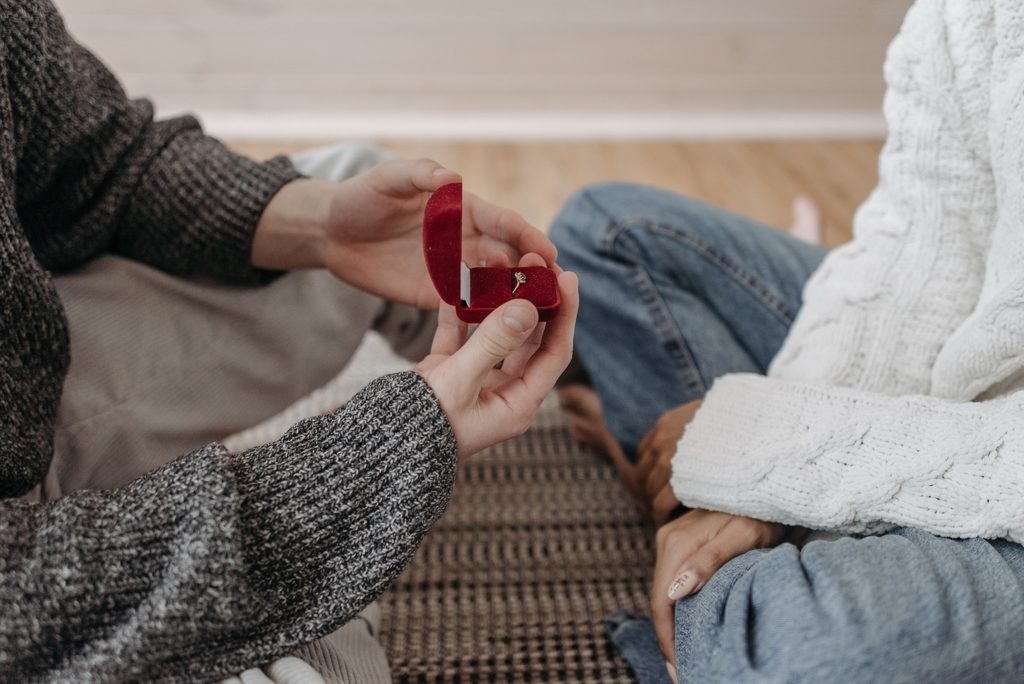
This stage typically involves a more conscious, deliberate choice to build a long-term future together, whether or not that’s formalized through marriage or another specific commitment. Unlike the earlier stages, which are largely driven by emotional and biological processes, this stage tends to involve more intentional, practical decision-making.
What this stage actually feels like: A shift from “seeing where this goes” to actively building toward a shared future — discussing long-term plans, aligning on major life decisions, and generally operating as a genuine team rather than two individuals dating. There’s often a felt sense of having chosen the relationship deliberately, rather than simply continuing out of momentum.
Why this stage is different from earlier ones: By this point, both partners have typically seen each other through real conflict, adjusted their expectations to match reality, and rebuilt trust on a more accurate foundation. The commitment made at this stage tends to be more resilient than commitment made earlier, precisely because it’s informed by a realistic understanding of the relationship rather than an idealized one.
What to focus on during this stage: Continuing to communicate openly about practical realities — finances, long-term goals, how responsibilities will be shared — prevents a lot of avoidable friction. Couples who skip these conversations, even at this more established stage, often encounter assumption-based conflict later, where one partner assumed something would work a certain way and the other assumed something different entirely.
Stage 5: The Bliss (or Co-Creation) Stage

This final recognized stage represents a mature, deeply established partnership where both individuals have fully integrated as a genuine team while still maintaining their individual identities. This isn’t a return to the intensity of the romance stage — it’s something different: a settled, resilient closeness built on having navigated real challenges together.
What this stage actually feels like: A sense of genuine partnership and shared purpose, often extending beyond just the two individuals into shared projects, family life, or contributions to something larger than the relationship itself. There’s typically a felt ease in the relationship — not because problems no longer arise, but because both partners have developed real confidence in their ability to handle whatever comes up together.
Why this stage matters: Reaching this stage doesn’t mean a relationship becomes conflict-free or immune to future challenges — every relationship continues to face new circumstances, transitions, and adjustments over time. What changes is the underlying foundation: partners at this stage typically trust the relationship’s resilience, having already proven to themselves and each other that they can work through genuine difficulty rather than simply avoiding it.
Relationship Stages Aren’t Always Linear

While these five stages describe a common developmental pattern, real relationships don’t always move through them in a perfectly linear sequence. Major life transitions — a new job, becoming parents, illness, relocation — can sometimes trigger a partial return to power-struggle-like friction even within an otherwise stable, long-term relationship, as both partners adjust to new circumstances and renegotiate expectations.
Understanding this helps normalize what might otherwise feel alarming: experiencing renewed friction after years of stability doesn’t necessarily mean the relationship has regressed or failed — it may simply reflect a new adjustment period prompted by changing circumstances, one that can be navigated with the same tools that worked during the original power struggle stage.
What This Framework Doesn’t Explain
It’s worth acknowledging that this staged model, like any framework, is a simplification of something genuinely complex. Not every relationship experiences each stage with the same intensity or duration, and some couples move through certain stages more quickly or gradually than others. The framework is most useful as a general map for understanding common patterns — not as a rigid checklist that every relationship must match exactly to be considered healthy or “on track.”
Final Thoughts stages of a relationship
The most valuable thing this framework offers isn’t a precise prediction of what your specific relationship will look like — it’s reassurance that the harder stages, especially the friction and disillusionment of the power struggle stage, are a normal, expected part of how relationships develop, not evidence that something has gone fundamentally wrong. Relationships that make it to genuine long-term partnership aren’t the ones that skipped the difficult stages — they’re the ones where both people understood what they were going through, stayed engaged rather than walking away at the first sign of friction, and did the real work of building something more resilient than the initial intensity of falling in love could offer on its own.



One thought on “The 5 Stages of a Relationship: What Each One Actually Means”
Comments are closed.