HIGHLIGHTS
- A teenager speaks openly about the impact of a parent’s affair.
- A mother insists her actions did not affect her children.
- Family therapy reveals years of hidden pain and resentment.
- Trust is shattered after a difficult divorce and sudden transition.
- A powerful reminder that infidelity affects entire families.
This situation People often say that what happens between parents should stay between parents. That children don’t need to know the details, and that adult problems don’t affect them as deeply as we think. But that idea isn’t always true. When trust breaks inside a family, it doesn’t stay contained — it spreads. It changes the way people see each other, the way they communicate, and even the way they understand love and loyalty. Growing up in a home where something feels “off” without fully understanding why can be confusing and emotionally exhausting. Children notice more than adults realize. They see the distance, the tension, and the unspoken arguments. And even if no one explains it to them, they feel it. That’s why it can be so frustrating when someone says, “It didn’t affect you.” Because sometimes, it affects you more than anything else ever did.
My Mom Says Her Cheating Didn’t Affect Us—I Disagreed
Last year my dad found out my mom was cheating on him and they broke up. Mom moved in with her AP “Ron” and she tried to carry on like nothing happened. With me (16f) and with my brother (13m) she was expecting nothing to have changed but I didn’t want to see her. I told my dad, who told his lawyer, who told the judge and the judge ordered therapy for me and my mom together to work it out. And right now that once a week therapy is the only time I see my mom.

My brother has to go to mom’s house every other weekend despite not wanting to. Mom has told me this is because he sees my reaction and copies me and if I were to stop acting like she did anything bad to me and fixed our relationship she’d have both kids willingly in her life now.In the almost year since we started therapy we have been to see three different therapists assigned by the same judge. The most recent one we just started having appointments with a month ago and it was suggested I engage just a little in therapy at some point to help get my point across directly to mom. I decided to do this after we switched. The new therapist didn’t just ask dumb questions like the others about why I’m mad at my mom or why I don’t want to forgive her.

Instead the therapist let mom do her talking which was all about how unfair this is. How she was always a great mom to me and my brother and how we should not be treating her different because of how her marriage ended. She never failed in her duty as a parent to the two of us and her heart is broken by the fact she can be so easily discarded. And how unfair she finds it that we won’t give her AP a chance.Then the therapist asked me if I had anything to say to the things my mom said and I told her I did. For the first time I said exactly how I felt and I told mom directly. I said that yes, mom cheated on dad and their relationship is their relationship. But I pointed out how cheating creates a broken home, one that is full of pain and anger and does damage that can’t be brushed away. I pointed out that mom didn’t think about me and my brother when she chose to betray dad and hurt him or the impact it would have on us to go from our parents together to mom being with someone else immediately.I said people talk about how kids need time after divorce or death to adjust to the transition and cheating takes away from that because typically the people who had the affair move in together immediately and I said that happened here. I said I went from having a normal happy family to finding out it was not as happy as I expected because clearly mom wasn’t happy. To then being told my parents were divorcing and realizing that my mom had hurt dad. And that mom expected me to live with her and the person she destroyed our family to be with.
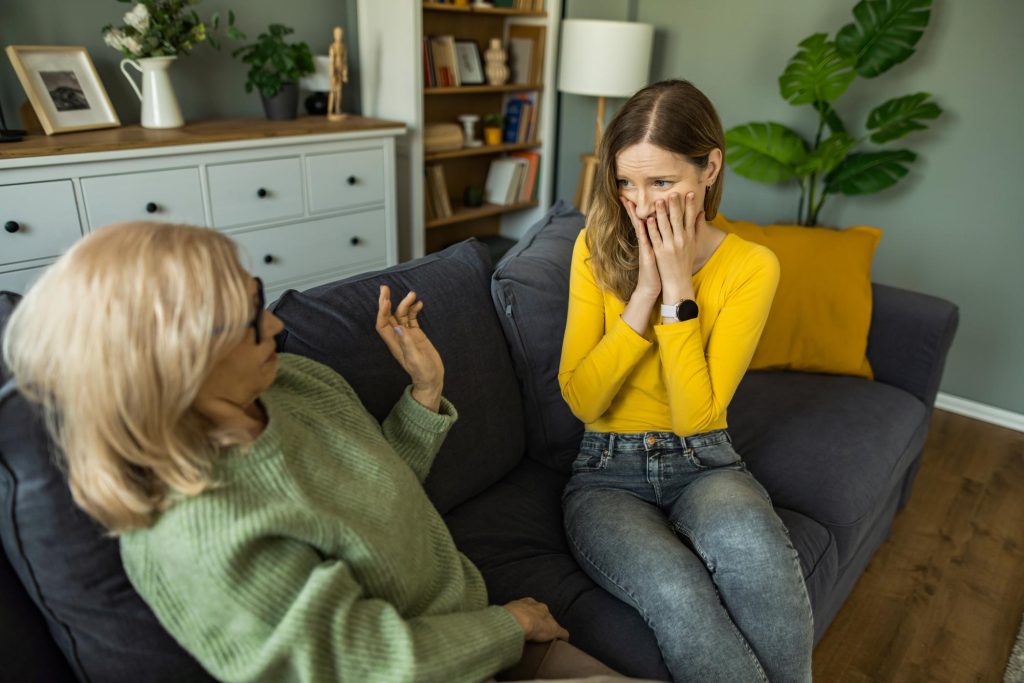
I told my mom I don’t see her the same way anymore. She’s not someone to admire because she’s not honest. She doesn’t care about hurting the man who gave her two kids or hurting her two kids. I told her I would never want to be like her now. And that’s hurtful to realize. I said she can talk all she wants about how she did nothing to us and the more she does the more she angers me because she did. She caused so much upheaval in our lives and expected us to just go with it. I told her the fact she expects me to be nice to Ron is insanity and that I felt like she was selfish for refusing to see why me and my brother would feel that way. I said she even wanted to blame me for my brother’s feelings instead of herself.I said so mom saying this never changed her parenting is wrong. I said it made her a worse parent because of everything I said. And I told my mom and the therapist that my view is pretty fucking set and I’m not open to seeing if it can change.I took up the rest of our appointment so mom didn’t get to address it but she looked mad.
Conclusion
As the conversation came to an end, I realized that my mother’s affair and the choices she made during that time had affected our family far more than she was willing to admit. While she believed her actions were only between her and my father, the reality was that trust, stability, and emotional security had been damaged for everyone involved.
Children may not always understand every detail of a parent’s decisions, but they often carry the emotional consequences long after the events themselves have passed. The broken trust, the tension at home, and the changes in family relationships can leave lasting scars that are difficult to ignore.
Looking back, I wasn’t trying to punish my mother or hold onto the past. I simply wanted my experiences and feelings to be acknowledged. Healing begins when people take responsibility for how their actions affect others, even when those consequences were never intended.
Family relationships can recover from painful mistakes, but true reconciliation requires honesty, accountability, and a willingness to listen to the people who were hurt along the way.
If you’re navigating difficult family relationships, rebuilding trust, or trying to understand the impact of past choices, explore more relationship advice and real-life stories at
Sometimes moving forward isn’t about forgetting what happened—it’s about finally understanding how it affected everyone involved and choosing to grow from it.