


“Find your personal style” is advice that gets repeated constantly, but rarely comes with an actual process. Most people default to copying whatever’s trending or whoever they follow online, which often leaves them with a closet full of pieces that don’t quite feel like them. Learning how to find your personal style isn’t about discovering some fixed identity — it’s a practical process of paying attention, testing, and narrowing down what genuinely feels right on you.
This guide walks through a real, actionable approach to figuring out your personal style, especially if you feel like you’re starting from scratch.
Table of Contents
Personal Style Isn’t Found — It’s Built Through Noticing Patterns
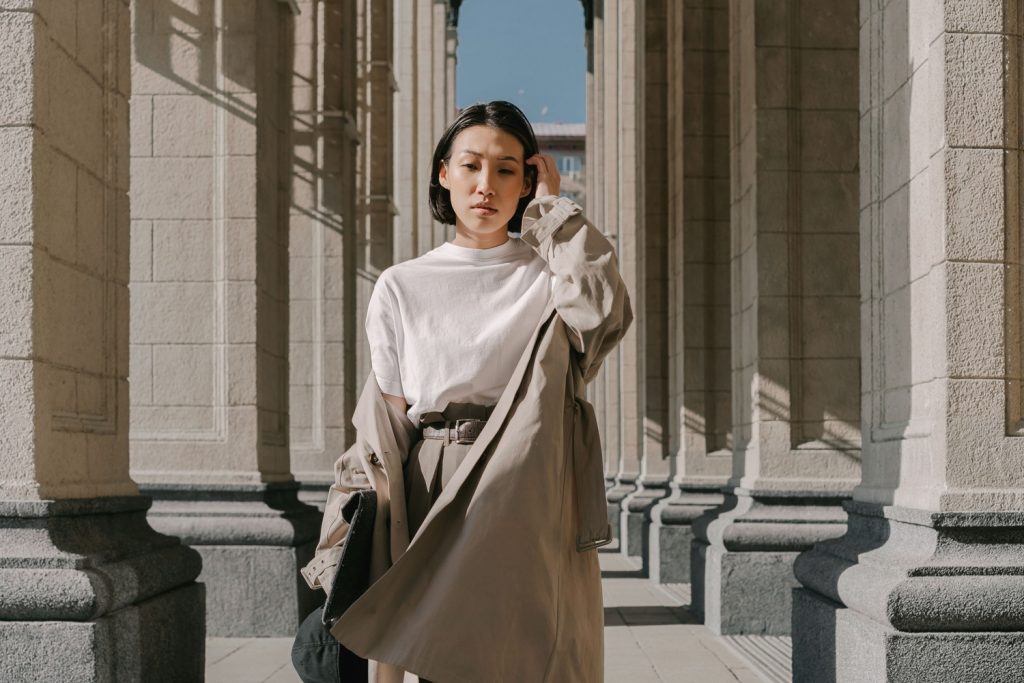
A common misconception is that personal style is something you either have or don’t, like a fixed trait. In reality, it’s built gradually by paying attention to what you’re consistently drawn to and, just as importantly, what you consistently avoid. Most people already have more style instincts than they realize — they just haven’t stopped to notice the pattern.
Step 1: How to Find Your Personal Style — Start by Auditing What You Already Reach For

Look at the pieces in your closet you wear most often — not what you own the most of, but what you actually put on repeatedly without thinking twice. Look for patterns: colors, silhouettes, textures, levels of formality. This existing pattern is often a much clearer signal of your real style than any style quiz or trend list, because it reflects actual behavior, not aspiration.
Also pay attention to what you own but never wear. These pieces often reveal past attempts to copy a style that didn’t actually suit your comfort level, body, or lifestyle — useful information for what to avoid going forward.
Step 2: Collect Inspiration Without Copying Directly
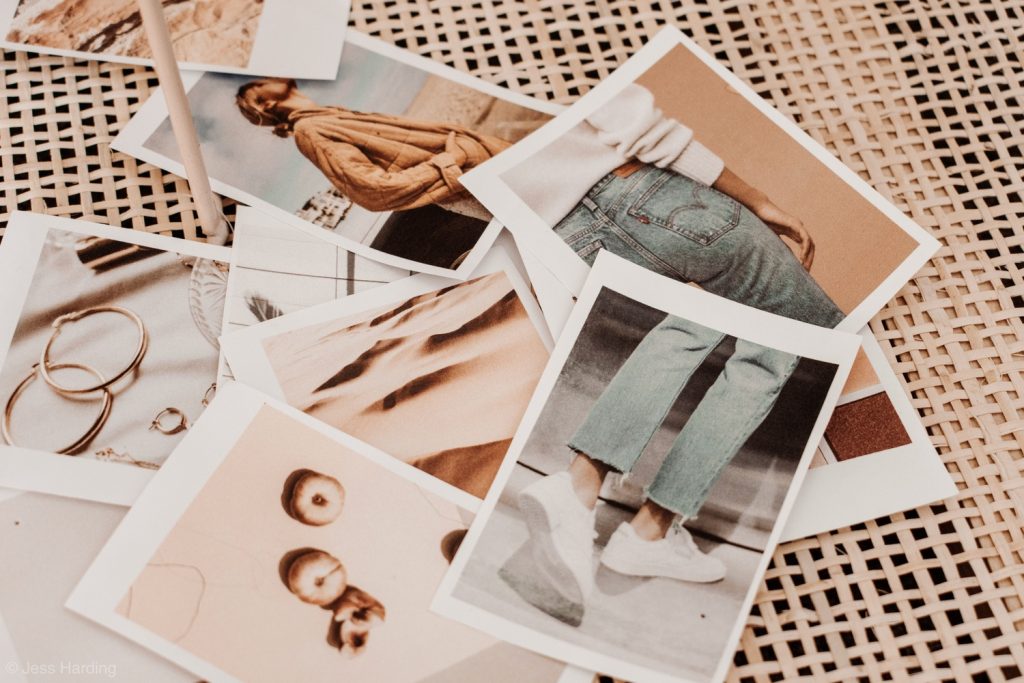
Save images of outfits you’re drawn to — from real people, not just professional editorial shoots that may not translate to daily life. After collecting twenty or thirty images, look for repeating elements: are you consistently drawn to structured pieces or relaxed ones? Muted colors or bold ones? Minimal outfits or ones with more layering and detail?
The goal isn’t to recreate any single outfit exactly. It’s to identify the underlying pattern across everything you’re drawn to, which points toward your actual preferences rather than a single trend.
Step 3: Consider Your Actual Lifestyle

Personal style has to work within the context of your real life, not just your aesthetic preferences in isolation. Someone drawn to flowing, elaborate outfits but working in a physically active job will need to adapt that inspiration into something wearable day to day, rather than abandoning the aesthetic entirely or forcing an impractical version of it into daily life.
This step is often where people get stuck — chasing a style that looks great in inspiration photos but doesn’t actually fit their day-to-day movement, climate, or schedule. Adapting the aesthetic to your real life, rather than picking between “practical” and “stylish,” is usually the more sustainable path.
Step 4: How to Find Your Personal Style Through Low-Stakes Experimentation

Before committing to significant wardrobe changes, test new style directions with small, low-cost additions — a new accessory, a different silhouette in a piece you already own multiples of, a color you don’t usually wear. This lets you gauge how a new direction actually feels day to day, without the pressure or expense of overhauling your whole wardrobe based on inspiration alone.
Pay attention not just to how something looks, but how it feels to wear — confidence and comfort are just as important to personal style as visual appeal.
Step 5: Notice What Makes You Feel Most Like Yourself
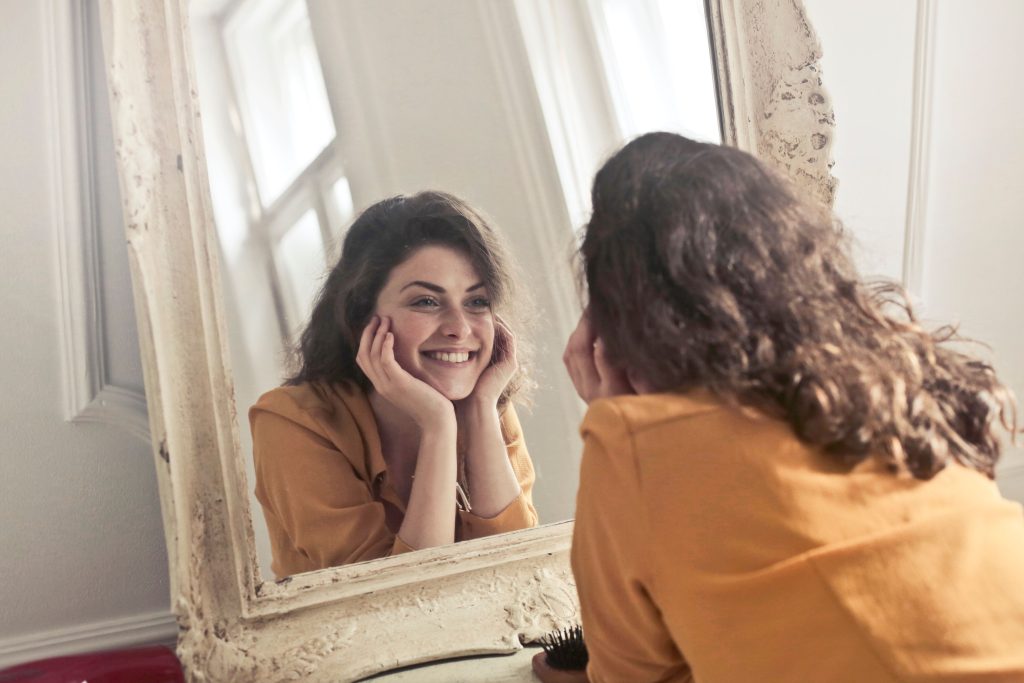
There’s a difference between an outfit that looks good and an outfit that feels like you. Both matter, but the second one tends to be a more reliable long-term guide. Pay attention to specific moments when you felt genuinely confident and comfortable in what you were wearing — not just complimented, but actually at ease. Those moments, looked at together, often reveal more about your real personal style than any single trend or influencer’s aesthetic.
Step 6: Let Your Style Evolve Without Overthinking It
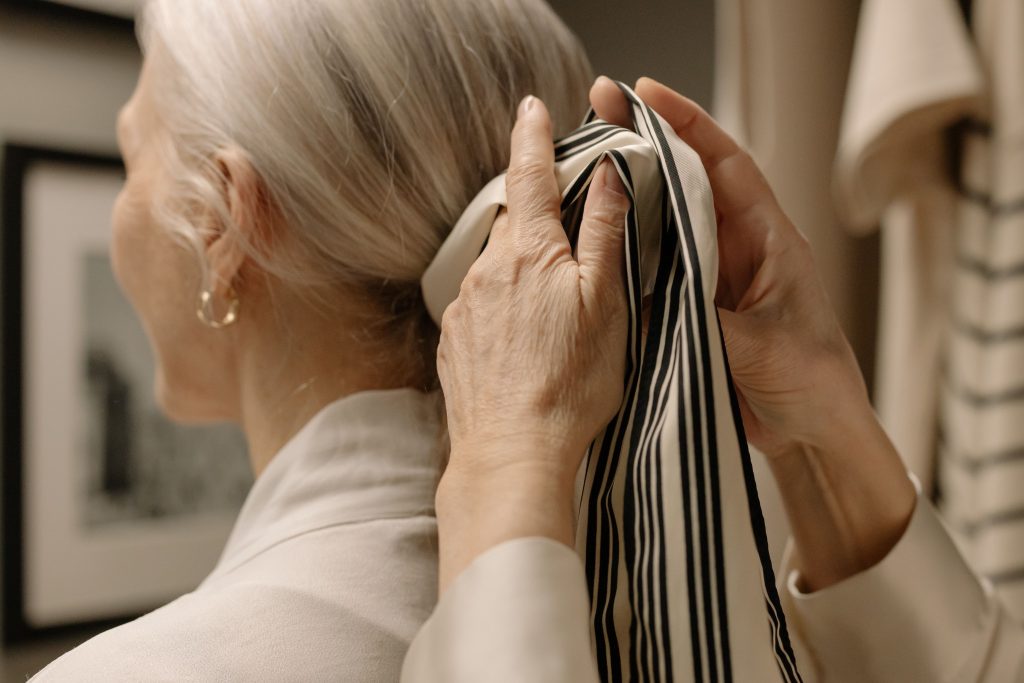
Personal style isn’t a single decision made once and locked in forever — it naturally shifts as your life, body, and preferences change. Treating it as a flexible, ongoing process rather than a fixed identity to “solve” makes the whole experience far less pressured. It’s normal for personal style to look different at different points in life, and that’s a sign of natural evolution, not inconsistency.
Common Mistakes When Trying to Find Your Style

Copying an influencer’s exact aesthetic. What works for someone else’s body, lifestyle, and confidence level doesn’t automatically translate. Use inspiration as a starting point, not a blueprint to copy exactly.
Trying to define your style in one sitting. This is a gradual process built through actual wearing and noticing over weeks or months, not a single afternoon of Pinterest browsing.
Ignoring comfort in favor of aesthetics. An outfit you’re constantly adjusting or feeling self-conscious in rarely becomes part of your real, lasting style, no matter how good it looks in photos.
Assuming personal style requires a big wardrobe. Some of the most well-defined personal styles are built around a fairly small, intentional set of pieces — style is about clarity and consistency, not quantity.
Final Thoughts How to Find Your Personal Style
Finding your personal style is less about a single discovery and more about paying closer attention to patterns you may already have, testing new directions with low pressure, and giving yourself permission to let it evolve over time. It’s a practical process, not a mysterious talent some people are simply born with — and it becomes far more achievable once you stop looking for a single “right” answer and start noticing what genuinely works for you.
One thought on “How to Find Your Personal Style When You Don’t Know Where to Start”
Comments are closed.