

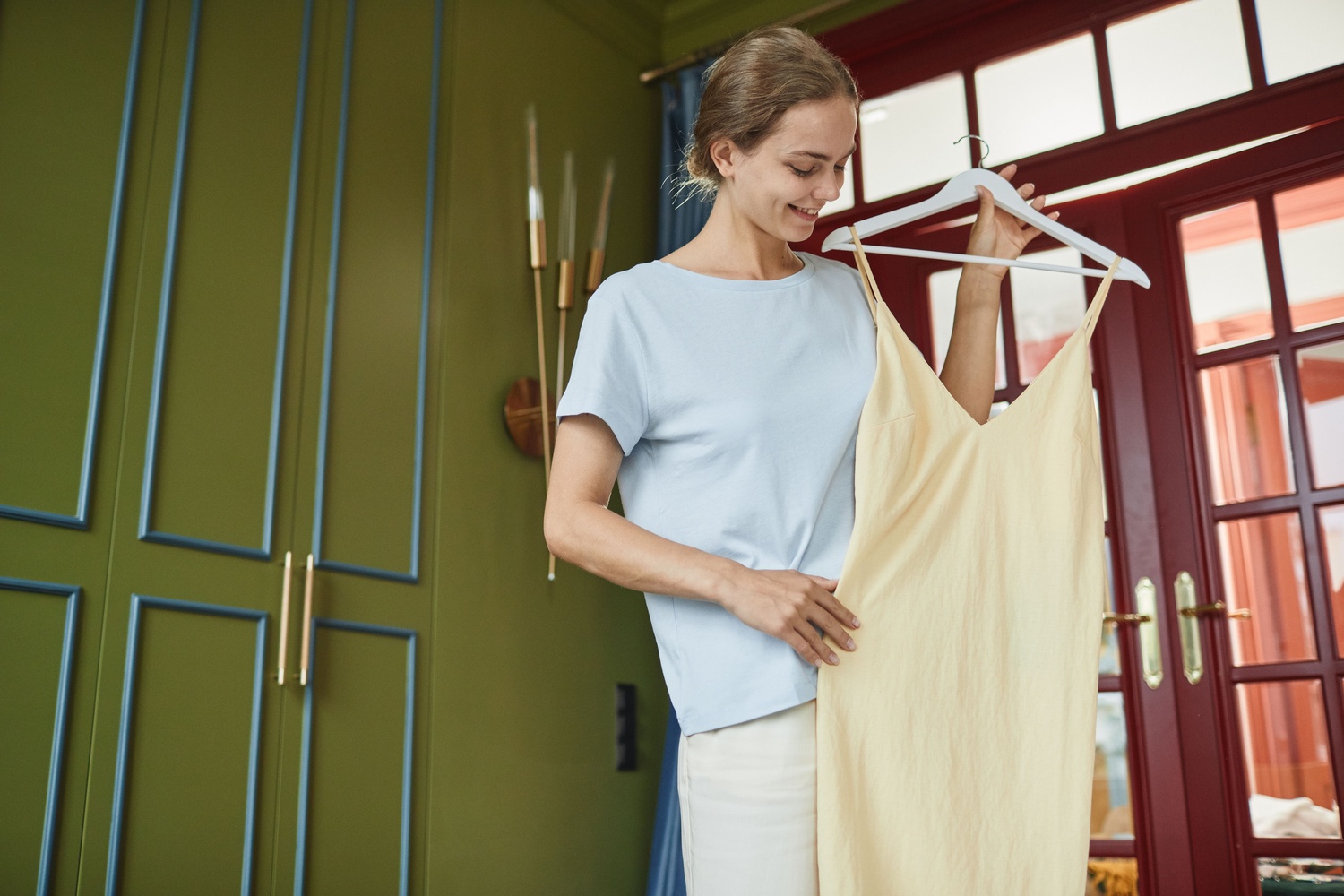
Most people replace clothing far more often than necessary — not because the pieces were poorly made, but because of small, avoidable care mistakes that wear them out faster than they should. Knowing how to take care of your clothes properly can genuinely double or triple how long a garment stays in good condition, which saves money and reduces how often you need to shop in the first place.
This guide covers the practical, everyday habits that actually extend the life of your wardrobe — no special equipment or expensive products required.
Table of Contents
Washing Less Often Helps More Than You’d Think
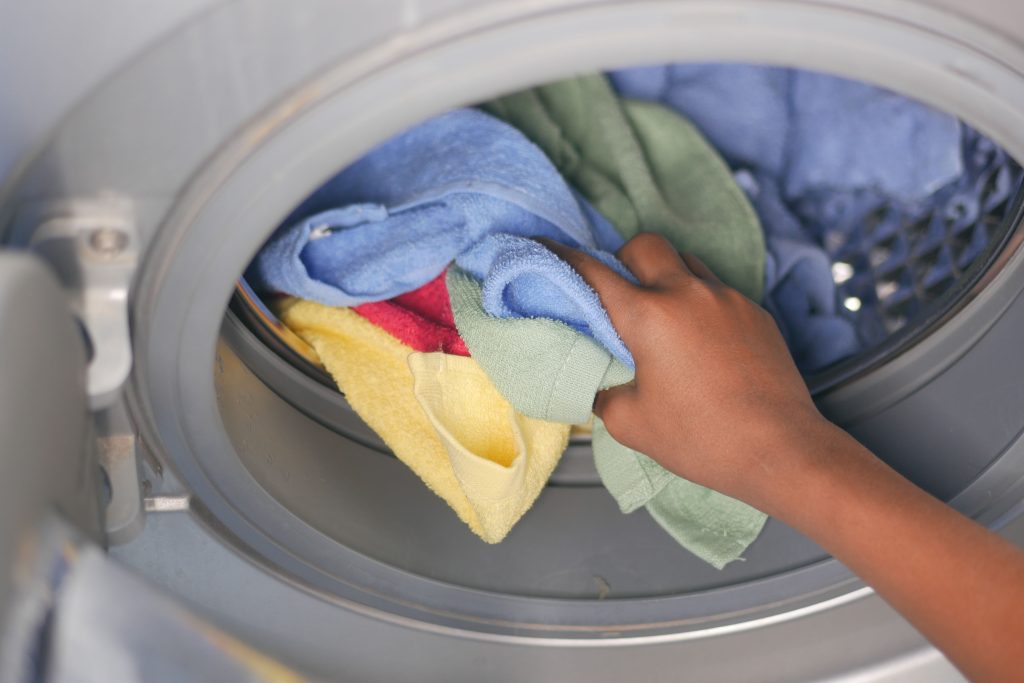
Not everything needs to be washed after a single wear. Overwashing is one of the biggest reasons clothes wear out prematurely — it fades colors, breaks down fibers, and stretches out shapes faster than normal wear does. Jeans, sweaters, and blazers, in particular, can often be worn multiple times between washes unless visibly dirty or worn during heavy activity.
A simple rule: if it doesn’t smell, isn’t stained, and hasn’t been worn during intense activity, it’s usually fine to wear again before washing. This single habit alone significantly extends the life of most clothing.
Read the Care Label — It Actually Matters
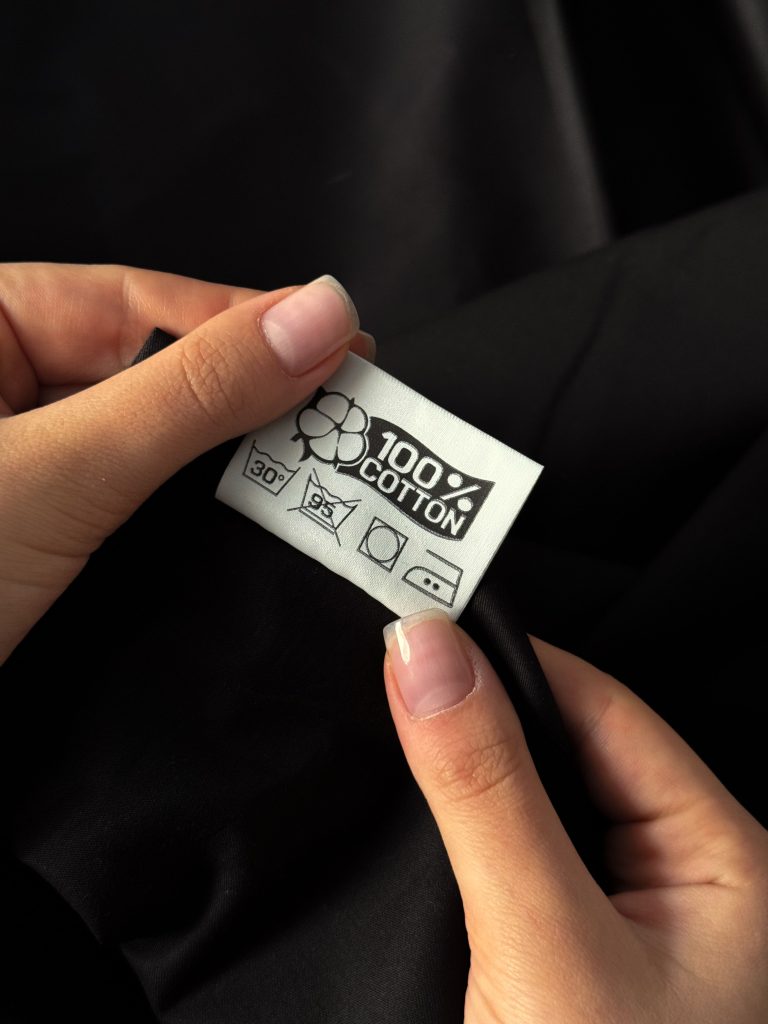
Care labels aren’t just legal formality — they reflect the specific fabric composition and construction of that exact garment. Washing a delicate blouse on a regular cycle, or putting a wool sweater in the dryer, can cause damage that’s often irreversible. Taking thirty seconds to check the label before tossing something in the wash prevents a huge share of avoidable damage.
If a label recommends hand-washing or delicate cycles, it’s worth honoring that, even if it feels like extra effort. The alternative is often a shrunk, stretched, or faded piece that needs replacing far sooner than it should.
Cold Water Is Your Default, Not the Exception

Hot water breaks down fibers faster, fades colors more aggressively, and can shrink certain fabrics unpredictably. Unless something is heavily soiled or a care label specifically calls for warm water, cold water washing is gentler on almost everything and still cleans effectively with modern detergents. This one adjustment alone noticeably slows down fading and fabric breakdown over time.
Air-Dry When You Can
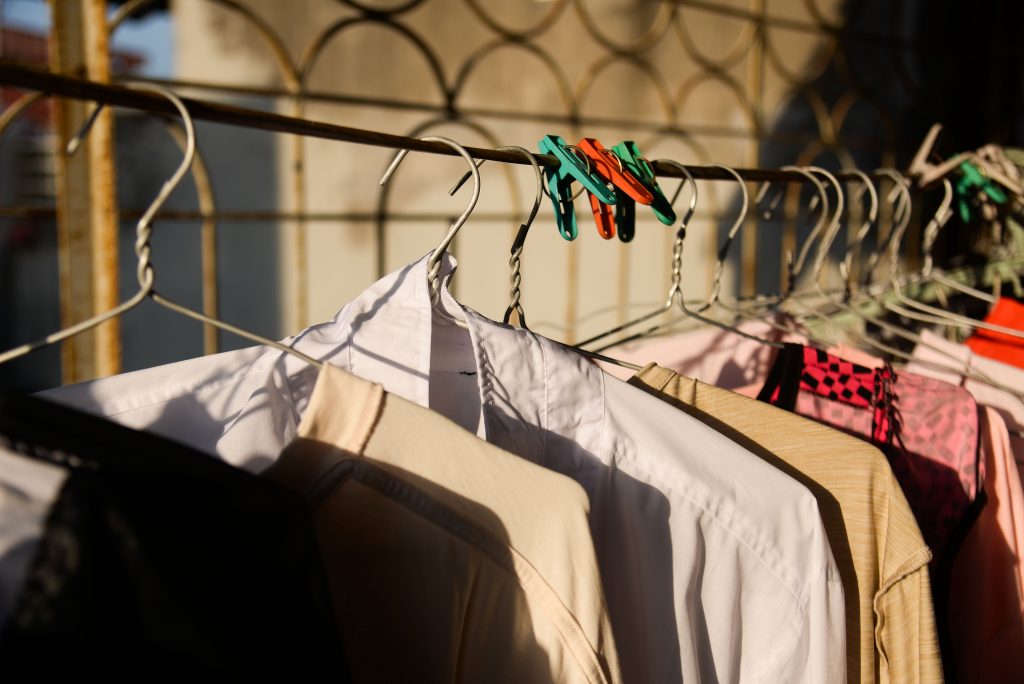
Dryers are convenient, but the heat and tumbling motion are hard on fabric over time — this is especially true for anything with elastic, delicate fibers, or printed designs. Air-drying takes longer, but it significantly reduces shrinkage, fading, and general wear. For pieces you want to last — good jeans, sweaters, structured items — air-drying flat or on a hanger is worth the extra time.
If a dryer is necessary, using a lower heat setting and removing items slightly damp (finishing the drying process on a hanger) reduces the cumulative damage compared to a full high-heat cycle.
Storage Habits That Prevent Damage

How clothes are stored between wears matters more than people realize:
- Hang structured items (blazers, button-down shirts, dresses) to preserve their shape. Folding these long-term can create permanent creases.
- Fold knits instead of hanging them — hanging sweaters for long periods stretches the shoulders out of shape over time.
- Use appropriately sized hangers. Thin wire hangers can distort the shoulders of heavier garments; wider, sturdier hangers distribute weight more evenly.
- Avoid overcrowded closets. Clothes packed too tightly wrinkle more, and it becomes harder for fabric to breathe, which can encourage musty smells over time.
Address Small Damage Immediately
A loose button, a small snag, or a tiny tear left unaddressed almost always gets worse with continued wear and washing. Fixing small issues as soon as they appear — sewing a button back on, reinforcing a loose seam — takes just a few minutes and prevents a repairable issue from turning into something that ruins the garment entirely.
Keeping a basic sewing kit at home (needle, thread in a few neutral colors, spare buttons) makes this kind of quick maintenance far more likely to actually happen.
Treat Stains Quickly, Not Eventually
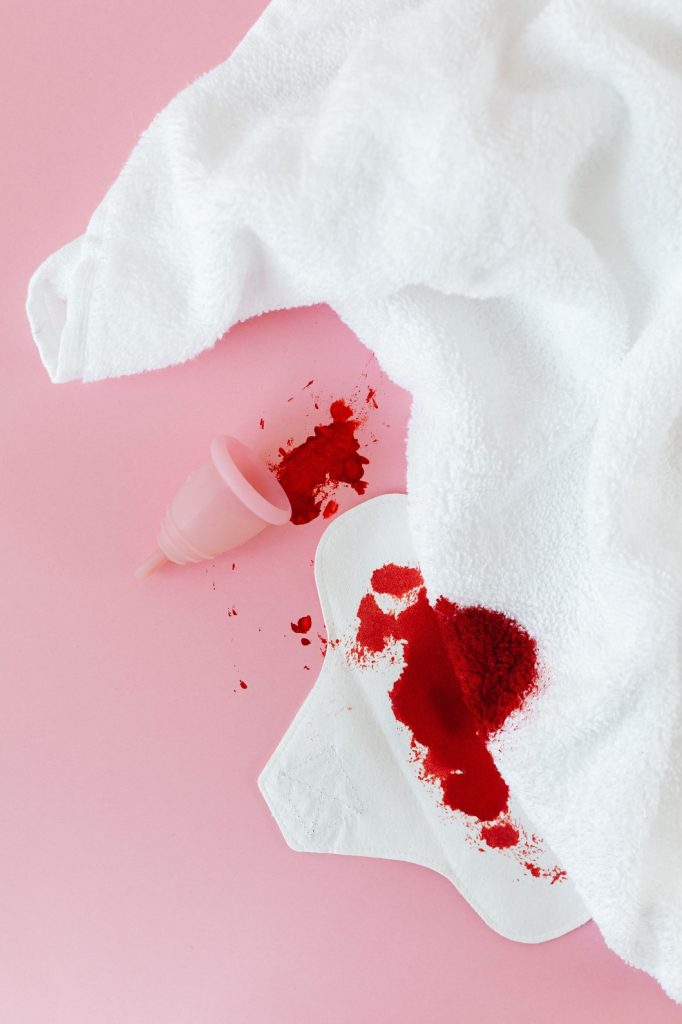
The single biggest factor in whether a stain comes out is how quickly it’s addressed. A stain treated within the first hour is dramatically easier to remove than one that’s been through a dryer cycle, which can set it permanently. Keeping a stain-remover pen or stick on hand for quick treatment before a stain has time to set is one of the simplest ways to save a garment that would otherwise be ruined.
Rotate Your Wardrobe Instead of Wearing Favorites on Repeat
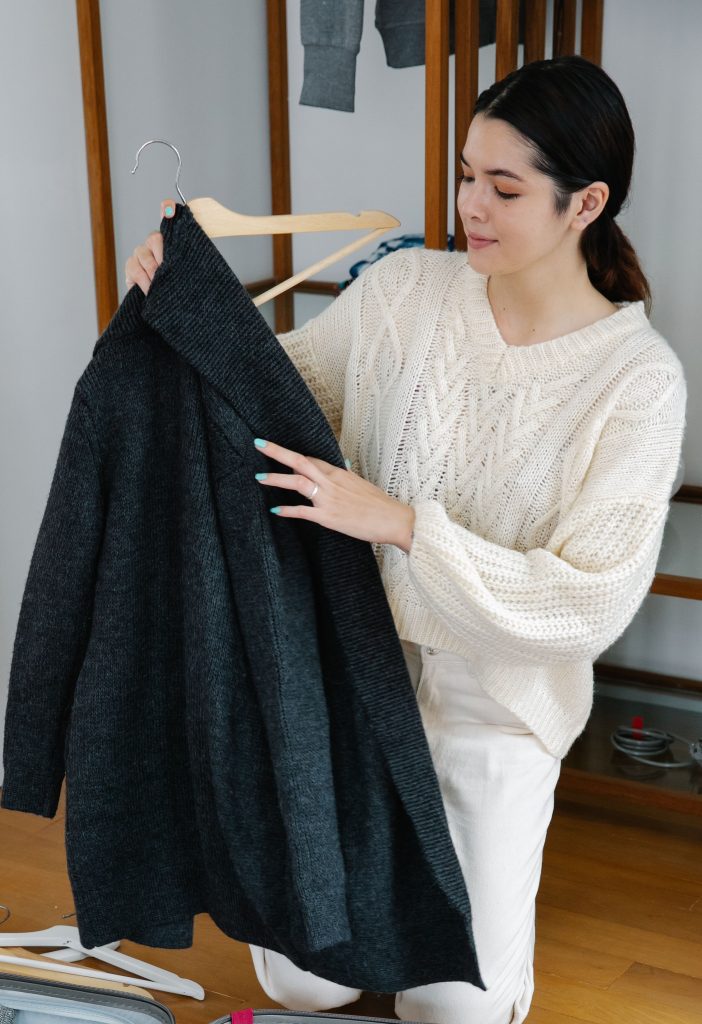
Wearing the same few pieces constantly wears them out faster than spreading wear evenly across your wardrobe. If you find yourself reaching for the same three items every week while others sit untouched, it’s often less about those pieces being genuinely better and more about habit. Intentionally rotating what you wear reduces the strain on your most-used pieces and gets more value out of the rest of your closet.
Seasonal Storage Prevents Long-Term Damage
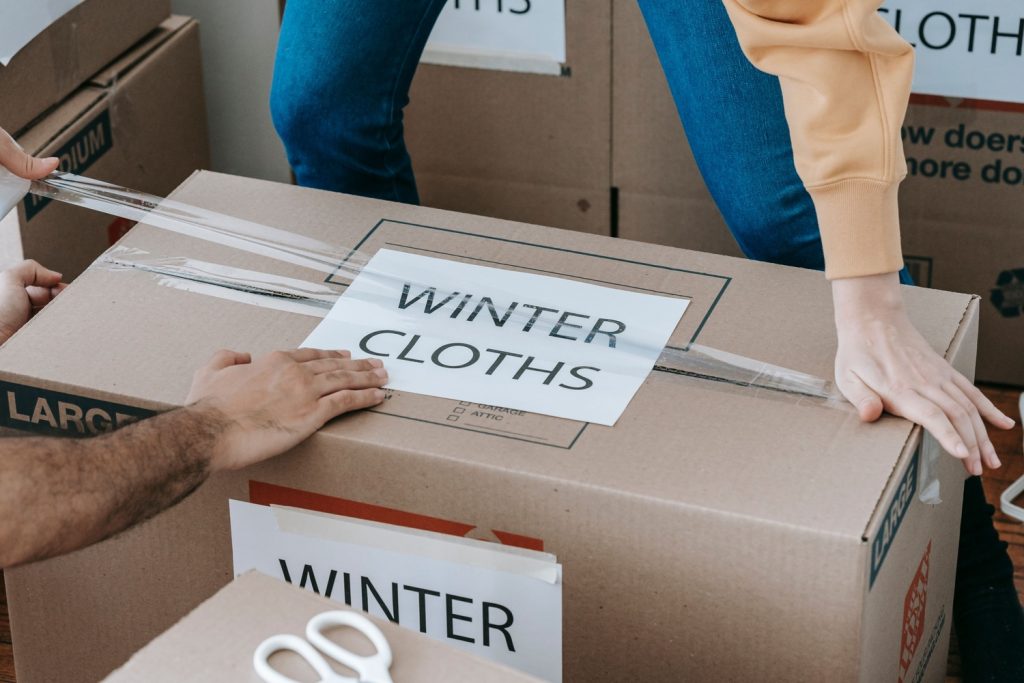
Clothes stored away for an entire season need a bit more care than everyday storage. Washing items before long-term storage (rather than storing them dirty) prevents stains from setting permanently and discourages pests. Breathable garment bags are generally better than sealed plastic for extended storage, since trapped moisture can lead to mildew or musty odors over time.
Final Thoughts
Taking care of your clothes isn’t about being overly precious with every item — it’s about a handful of consistent habits that add up significantly over time. Washing less aggressively, storing pieces properly, and addressing small issues quickly can genuinely extend a garment’s usable life by years rather than months. In the long run, this kind of care is one of the most cost-effective habits you can build into your relationship with your wardrobe — you get more wear, more value, and less frequent need to replace what you already own.



One thought on “How to Take Care of Your Clothes So They Actually Last Longer”
Comments are closed.