

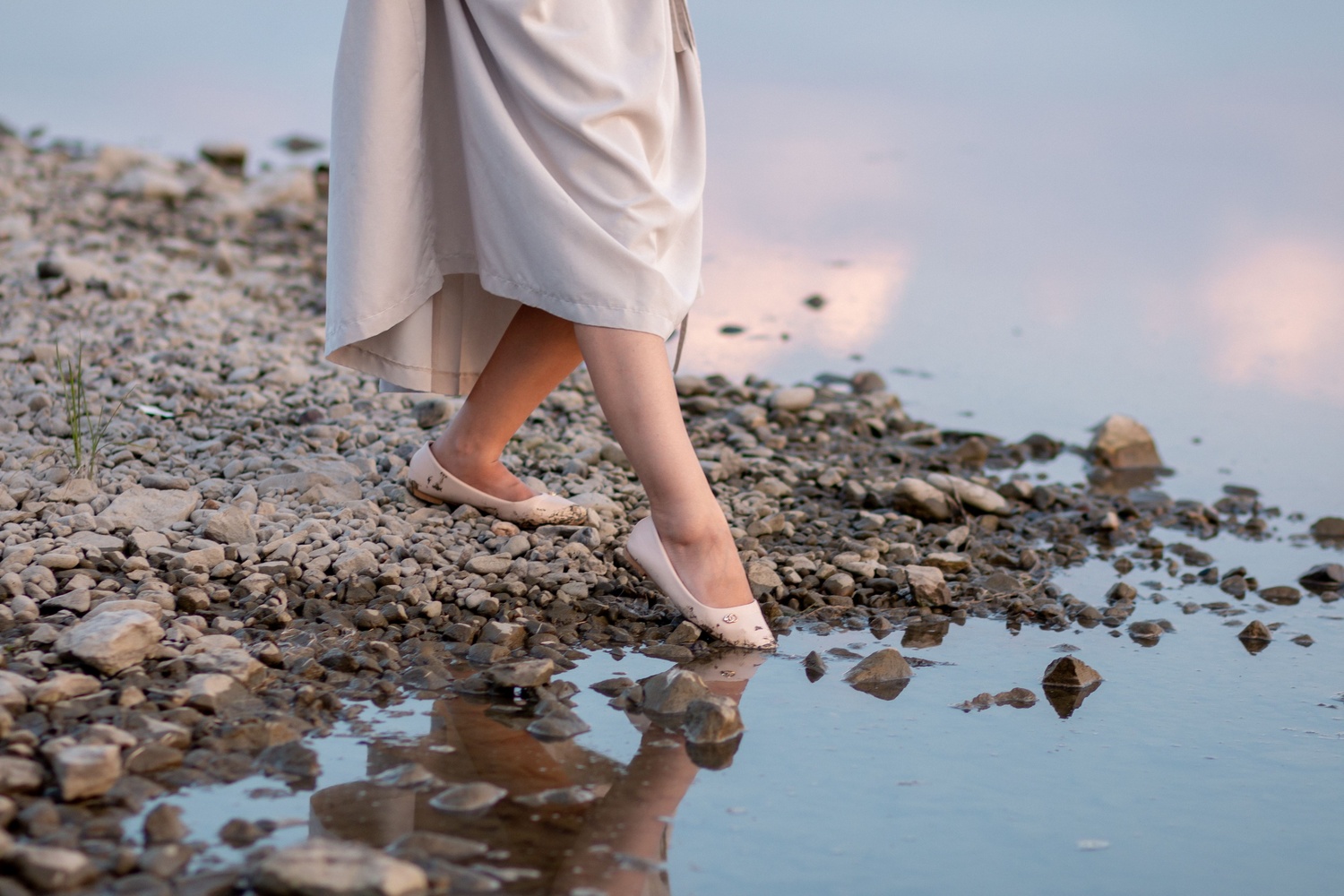
For a while, the ballet flat got quietly pushed to the back of the shoe rack, overshadowed by chunky sneakers and platform everything. Then, almost overnight, it was everywhere again — on cobblestone streets, tucked under wide-leg trousers, paired with sheer socks at fashion week. The ballet flat never really left; it just waited out a few loud trend cycles before stepping back into the spotlight, quieter and more confident than before. If you’re wondering how to style ballet flats in a way that feels current rather than like a 2005 throwback, this guide covers everything from silhouette pairing to the small styling details that separate “put-together” from “forgot to change shoes.”
Table of Contents
Why Ballet Flats Are Having a Real Moment (Again)
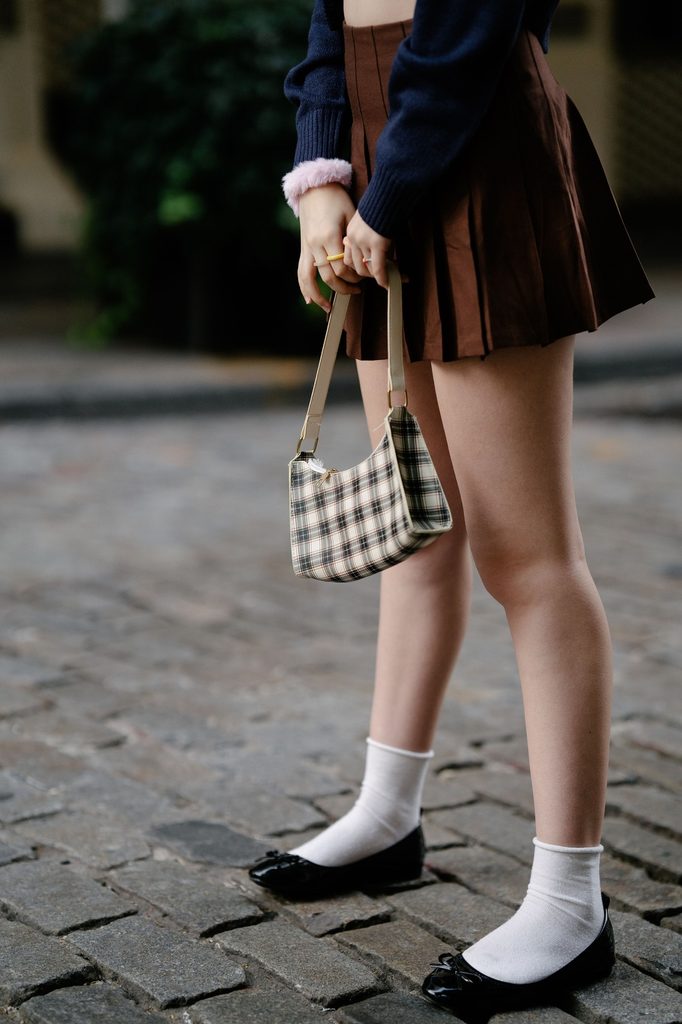
Trend cycles tend to swing between extremes — after a long stretch of chunky, statement footwear dominating, there’s almost always a pull back toward something quieter and more refined. The ballet flat’s return fits that pattern exactly. It offers something the last few years of maximalist sneaker culture didn’t: a clean, low-profile silhouette that lets the rest of an outfit take center stage instead of competing with an oversized shoe.
There’s also a practical element to its comeback. Ballet flats are lightweight, easy to pack, and — unlike heels — genuinely comfortable for a full day of walking, which matters more to people building actually wearable wardrobes rather than just photogenic ones.
Choosing the Right Ballet Flat
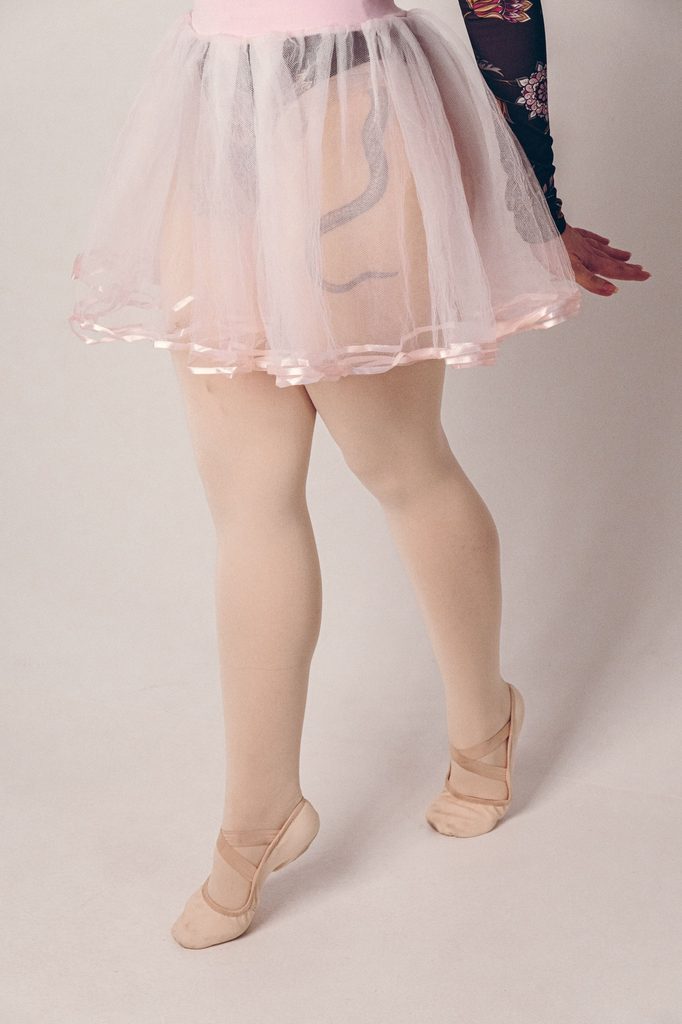
Toe shape changes the whole silhouette. A classic round toe reads soft and slightly vintage-inspired. A pointed toe elongates the leg line and feels a touch sharper and more modern. Square-toe ballet flats — a more recent variation — split the difference, offering a slightly architectural look that pairs particularly well with tailored, structured outfits.
Material matters for both look and longevity. Leather or suede options tend to hold their shape and elevate an outfit more than a fabric or synthetic version, though they typically come at a higher price point. If buying a more budget-friendly pair, a slightly structured fabric holds its shape better over repeated wear than very soft, floppy materials.
Details like bows, straps, and cutouts shift the personality entirely. A classic bow detail leans romantic and slightly retro. Crisscross straps or ankle ties lean more directional and fashion-forward. A completely clean, unembellished flat is the most versatile option and pairs easily with the widest range of outfits, which makes it the strongest starting point if you’re only buying one pair.
How to Style Ballet Flats for Everyday Wear
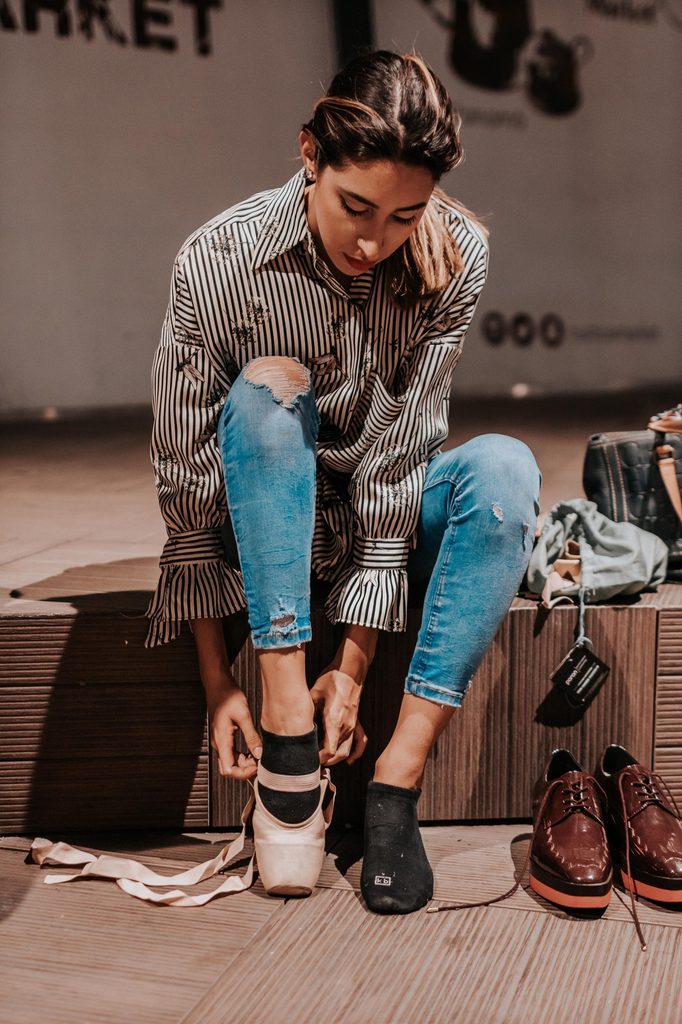
Pair them with wide-leg or straight trousers. This is one of the most flattering combinations in current styling — the flat, low-profile shoe lets the trouser’s silhouette do the visual work, and the slightly cropped or ankle-length trouser lets the shoe actually show, which matters more than people think. A ballet flat disappearing under an overly long hem loses most of its visual impact.
Wear them with a maxi skirt for an unexpectedly modern combination. Pairing a flowing, floor-length skirt with a delicate flat rather than a heel creates a softer, more romantic silhouette that still feels intentional rather than accidental — the contrast between volume up top and a minimal shoe keeps the whole look from feeling overdone.
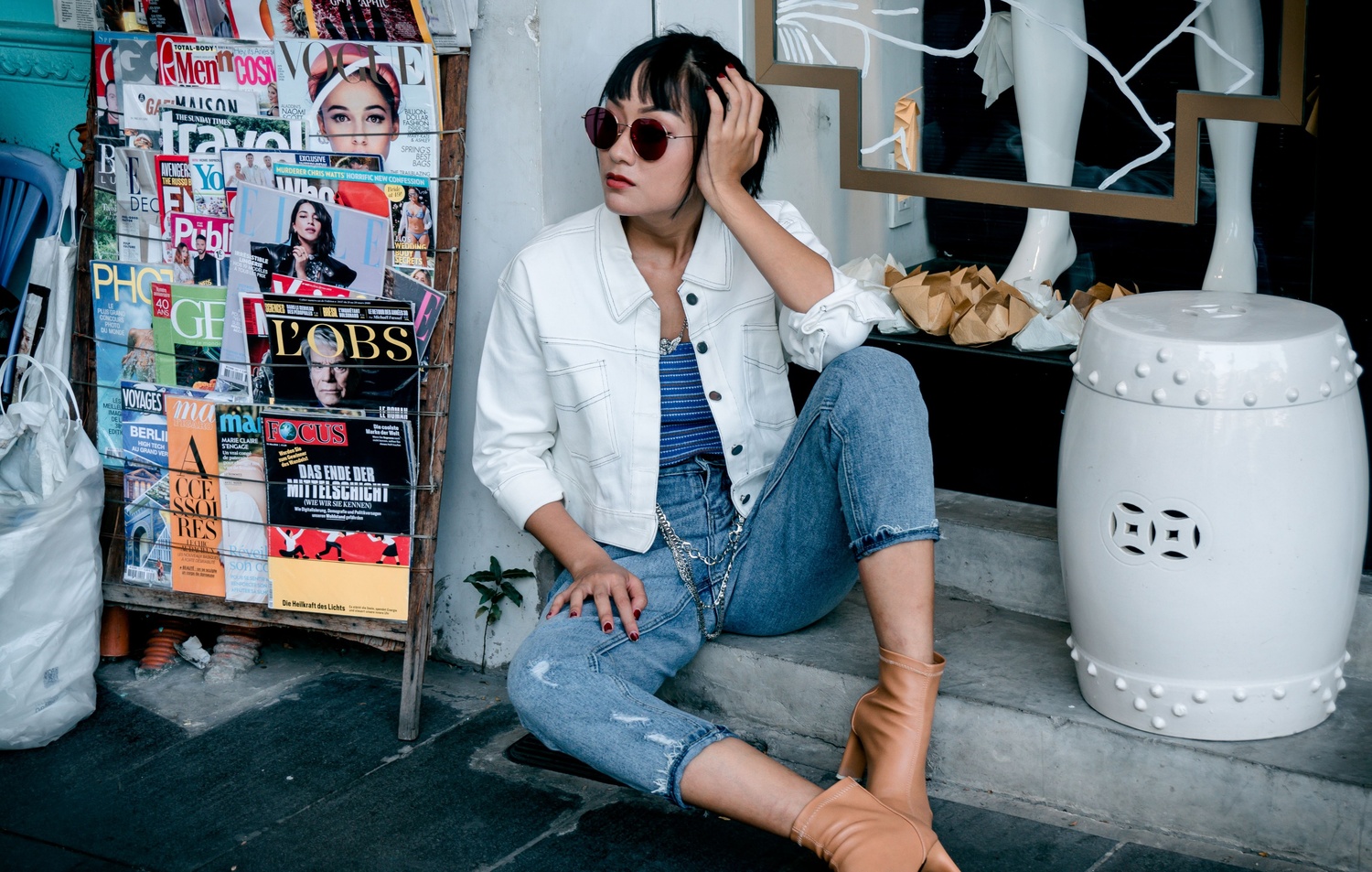
Add them to a jeans-and-blazer combination for effortless polish. Straight-leg or slightly cropped jeans with a ballet flat and a tailored blazer on top is a reliable, put-together look for anything from errands to a casual work environment — the flat keeps the outfit from feeling overly formal while the blazer adds structure.
Layer thin socks underneath for a directional, slightly fashion-forward touch. This styling detail — visible sheer or lace-trimmed socks peeking out from a ballet flat — has become a genuine street style signature in recent seasons. It works particularly well with cropped trousers or a midi skirt, where the ankle is left visible enough for the sock detail to actually be seen.
How to Style Ballet Flats for Dressier Occasions
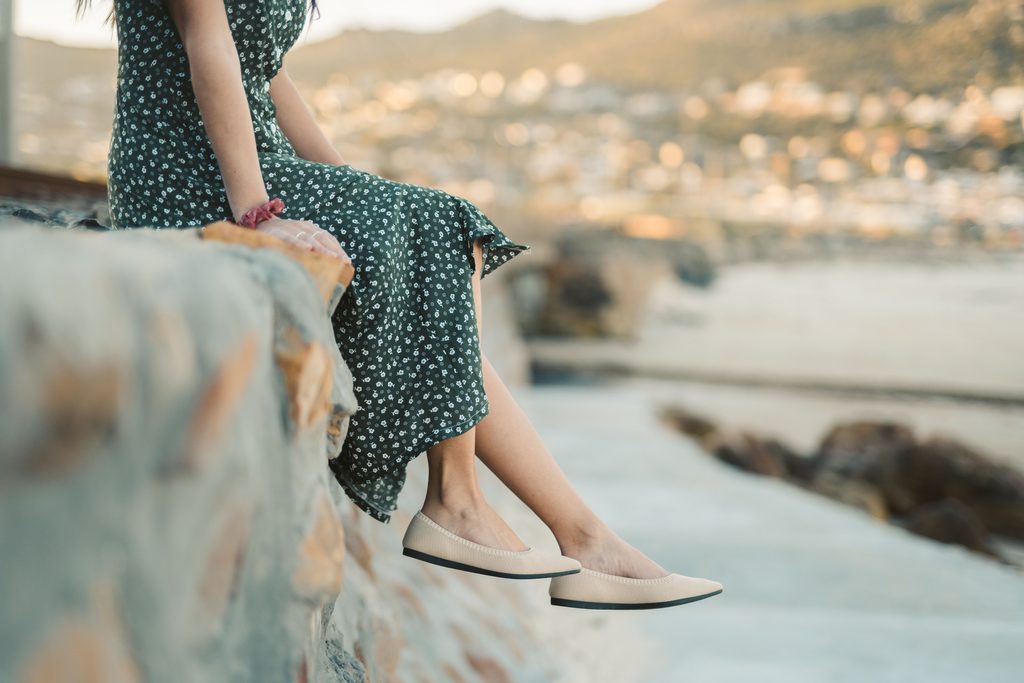
Pair them with a slip dress for an unexpected, softer alternative to heels. As covered in slip dress styling more broadly, footwear does a lot to set the tone of the outfit — swapping a heel for a delicate ballet flat creates a more relaxed, quietly elegant version of the same dress, appropriate for daytime events or more low-key evening settings.
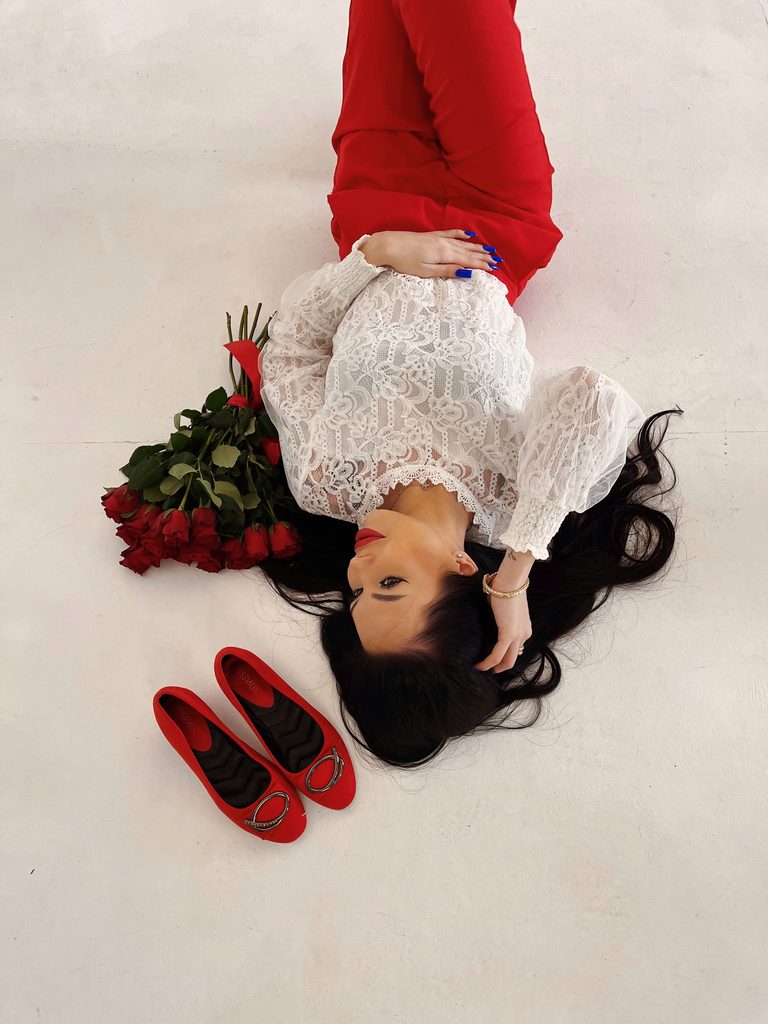
Choose a slightly embellished pair for occasions that call for more polish. A ballet flat with a subtle metallic finish, a delicate buckle, or fine leather detailing can read as appropriately dressed-up without requiring the height (or discomfort) of a heel — useful for events where you’ll be on your feet for extended periods.
Match the flat’s tone to the formality of the rest of the outfit. A simple black or nude ballet flat pairs seamlessly with most eveningwear, while a bolder color or texture works better as an intentional contrast piece against a more neutral outfit, rather than competing with an already busy or colorful look.
Seasonal Styling for Ballet Flats
Spring and summer: This is the most natural season for ballet flats, worn with bare ankles, cropped trousers, skirts, or dresses. A lightweight, breathable material (leather or canvas) works best in warmer months.
Fall: Pairing ballet flats with tights or thin socks extends their wearability into cooler weather without sacrificing the silhouette. A slightly heavier, structured leather flat also feels more season-appropriate than a delicate summer-weight version.
Winter: While not the most practical choice for snow or heavy rain, ballet flats can still work for indoor-heavy days or milder winter climates when paired with opaque tights and a substantial coat, keeping the overall look polished even in colder months.
Transitional weather: Ballet flats paired with ankle-grazing trousers and a light jacket make for one of the easiest transitional-season combinations, since the shoe itself works across a wide temperature range when styled with the right layers around it.
Common Ballet Flat Styling Mistakes
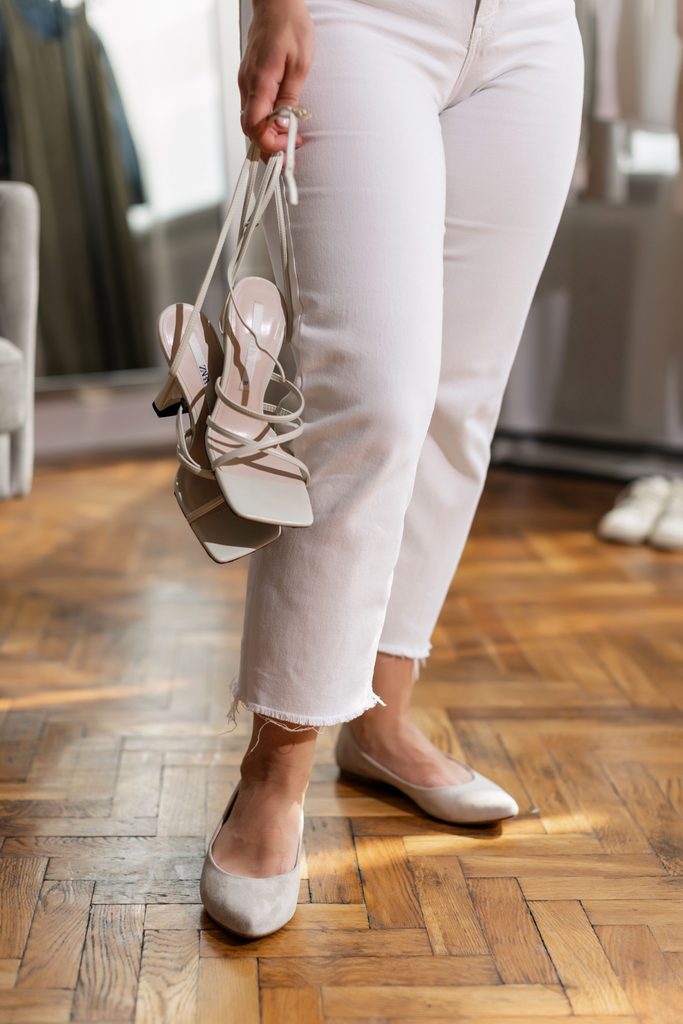
Wearing them with overly long, unhemmed trousers. If the trouser hem drags on the ground and hides the shoe entirely, most of the visual impact of the flat is lost, and the overall silhouette starts to look unfinished rather than intentional.
Choosing a pair that’s too flimsy or unstructured. A ballet flat that’s too soft and shapeless can look tired by the end of the day and doesn’t hold its form well in photos or in person. A bit of structure in the sole and upper makes a noticeable difference.
Ignoring proper sizing. Ballet flats that are too big tend to slip at the heel while walking, which is uncomfortable and also visually reads as ill-fitting. Getting the correct size — sometimes half a size down from a typical sneaker size, depending on the brand’s cut — makes a significant difference in both comfort and appearance.
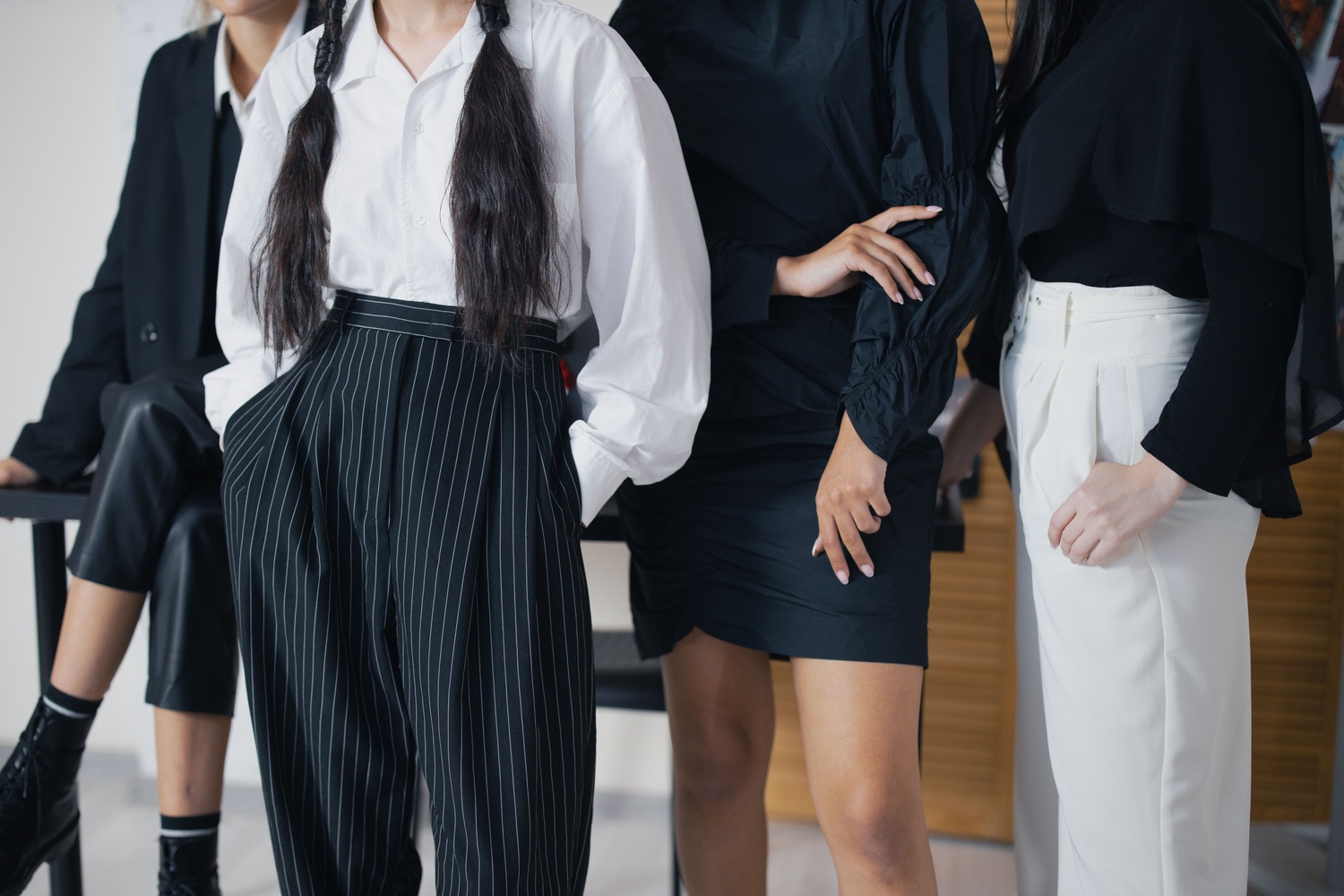
Assuming they only work for delicate, feminine outfits. One of the more interesting current uses of ballet flats is pairing them with tailored, slightly masculine pieces — trousers, blazers, oversized shirting — where the contrast between structured clothing and a soft, minimal shoe creates a genuinely fresh silhouette rather than a purely romantic one.
Why Ballet Flats Work So Well as a Wardrobe Investment
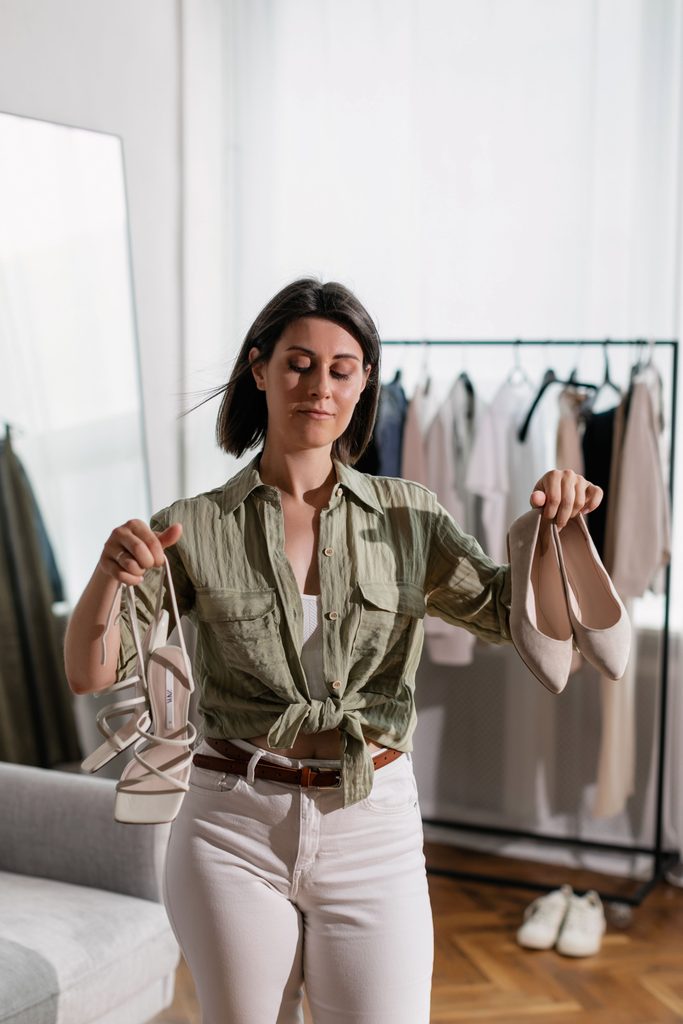
Because ballet flats pair easily across such a wide range of outfits — trousers, skirts, dresses, jeans — a well-made, neutral pair earns its place in a wardrobe quickly through sheer versatility. Unlike trend-specific footwear that only works with a narrow range of outfits, a simple, well-constructed ballet flat in black, nude, or another core neutral tends to remain wearable across multiple seasons and trend cycles, which makes it a genuinely practical addition rather than a purely trend-driven purchase.
Final Thoughts
The ballet flat’s return isn’t really about nostalgia for a specific decade — it’s about how well a quiet, low-profile silhouette works once maximalist trends have had their moment. Once you understand how to style ballet flats across different trouser shapes, dress lengths, and seasons, they stop being a single-purpose “romantic” shoe and become one of the more genuinely versatile pieces in a shoe collection — comfortable enough for a full day of wear, and adaptable enough to move between casual, polished, and dressier occasions without ever feeling out of place.
One thought on “How to Style Ballet Flats: The Complete Guide to Wearing Them Well”
Comments are closed.