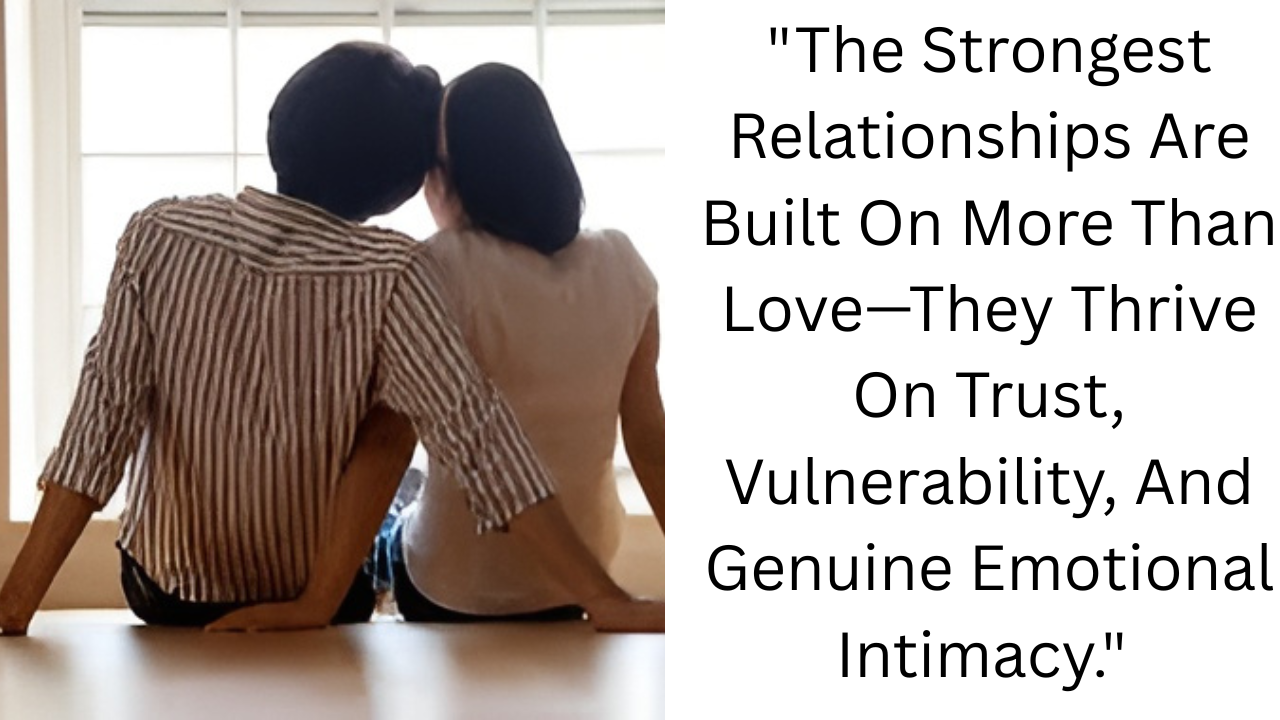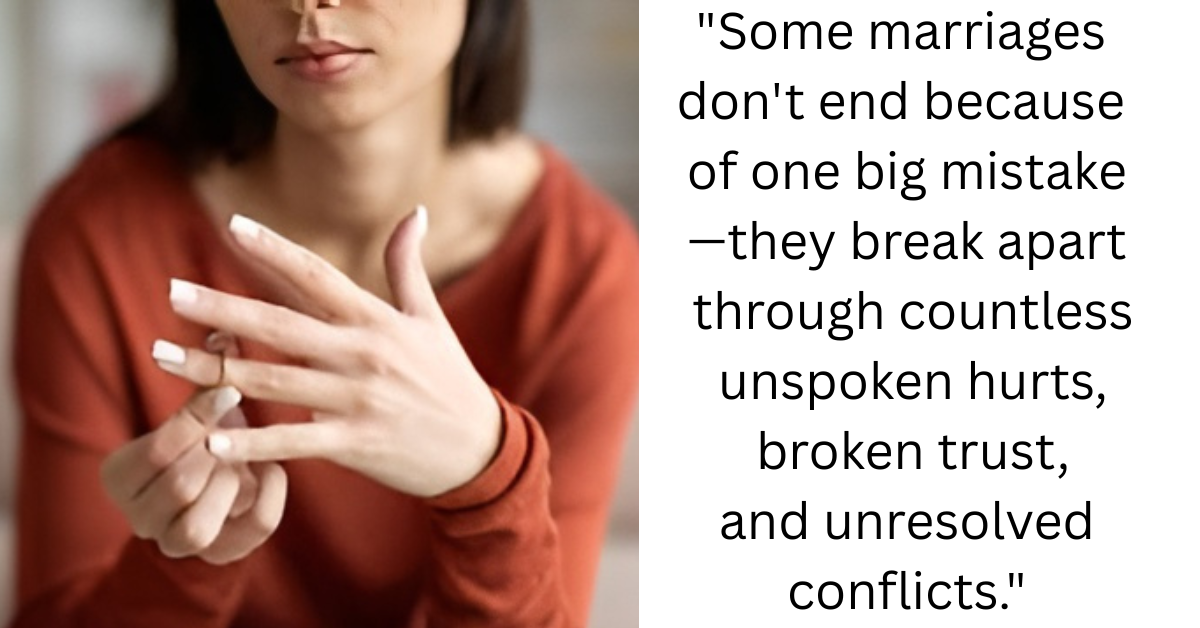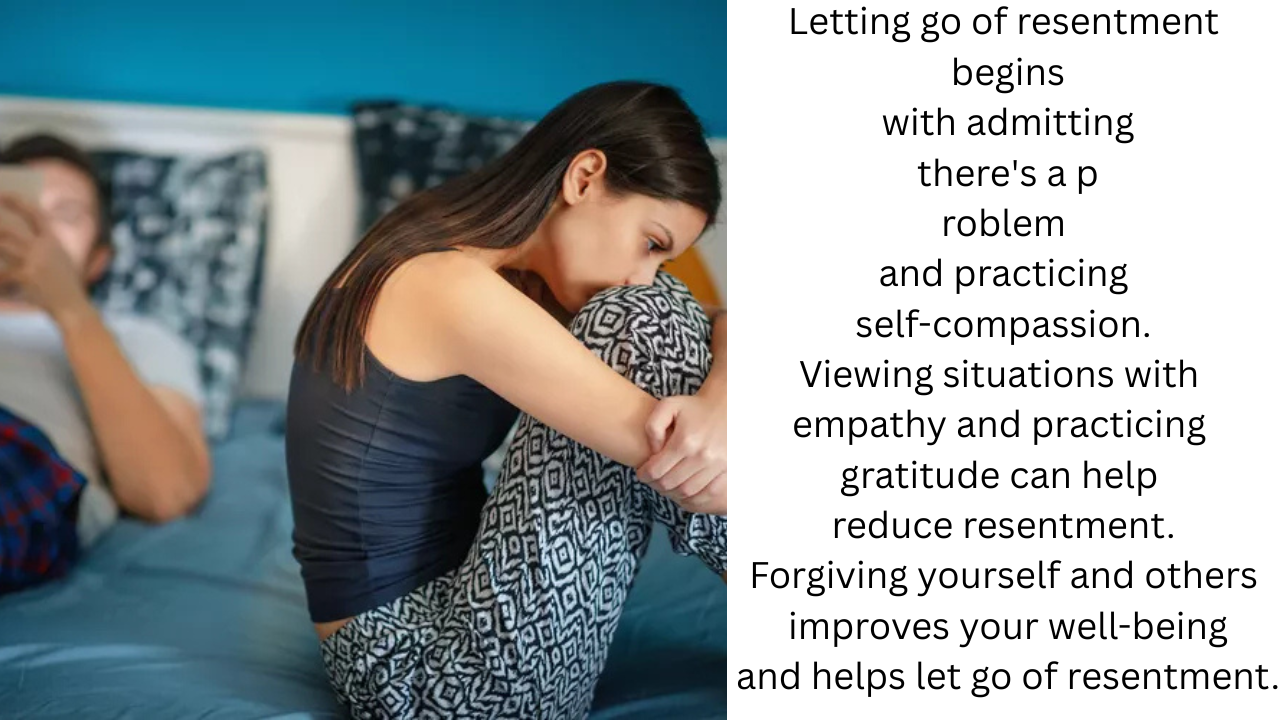

Trust, communication, and mutual respect make a relationship work.
HIGHLIGHTS
- Relationship habits that improve emotional connection
- Why communication matters more than perfection
- Small daily actions that strengthen trust
- Healthy relationship behaviors people often overlook
Whether you want to strengthen a new relationship or fix a struggling one, these tips can help you stay connected, feel valued, and build a stronger bond with your partner.

What is a healthy relationship?
Every romantic relationship is different, and people come together for many reasons. A healthy relationship usually depends on shared goals, honest communication, emotional connection, trust, and mutual understanding. Talking openly with your partner helps both of you understand what you truly want from the relationship.
Strong relationships also have some common qualities. Partners make each other feel loved, valued, and emotionally supported. They are comfortable expressing their feelings, solving disagreements respectfully, and maintaining trust even during difficult times.
At the same time, healthy couples understand the importance of personal space and outside relationships. Keeping connections with friends, family, hobbies, and personal interests helps maintain balance and strengthens the relationship naturally.
Open and honest communication remains one of the most important parts of a successful relationship. When both partners feel safe sharing their needs, fears, and expectations, it creates a deeper bond and a stronger connection.
Falling in Love vs. Building a Relationship
For many people, falling in love feels natural and effortless. However, building a strong relationship and keeping that connection alive requires patience, commitment, and consistent effort from both partners.
A healthy relationship can bring happiness, emotional support, and stability through both good and difficult times. By continuing to care for the relationship and maintaining emotional connection, couples can build a bond that lasts for years.
Many people only focus on their relationship when serious problems appear. But strong relationships need regular attention even when things seem fine. Small efforts, communication, and understanding can help prevent minor issues from turning into bigger problems later.
What does an unhealthy relationship look like?
While healthy relationships provide support and happiness, unhealthy relationships can harm your confidence, mental health, and emotional well-being. Sometimes, the warning signs are difficult to notice, especially when emotions are involved. Recognizing these signs early can help you protect yourself and make healthier relationship choices.
Deceitfulness and dishonesty. A dishonest partner may hide important things from you or frequently lie, whether about major issues or small details. Over time, this behavior can damage trust and create insecurity in the relationship.
Controlling behavior. Controlling behavior in a relationship often comes from fear, insecurity, or anxiety. One partner may try to limit the other person’s choices, hobbies, or friendships, which can slowly create pressure, frustration, and emotional distance.
Disrespect.A disrespectful partner may ignore your feelings, dismiss your opinions, or cross personal boundaries. Over time, this behavior can make you feel unimportant, uncomfortable, and emotionally unsafe in the relationship.
Codependency.Codependency happens when one partner becomes overly focused on pleasing or taking care of the other while ignoring their own needs and identity. This unhealthy pattern can create emotional dependence, imbalance, and stress in the relationship.
Abuse.Abuse can appear in different forms, including physical, verbal, emotional, and psychological abuse. While some signs are obvious, others can be more subtle, such as manipulation, humiliation, or behavior that damages a person’s confidence and emotional well-being.
Tips on How to Have a Healthy Relationship
Every romantic relationship experiences challenges and changes over time. Building a healthy relationship requires effort, commitment, patience, and the ability to grow together as partners. Whether your relationship is new or long-term, taking care of emotional connection and understanding each other can help keep the bond strong.
Even if you’ve faced difficulties in past relationships or feel distant in your current one, it’s still possible to rebuild connection and strengthen your relationship. Small efforts, honest communication, and mutual support can help bring lasting happiness and emotional closeness.
The following tips can help you maintain a healthy, loving, and long-lasting relationship.
T
i
p
1
Stay connected through communication

Good communication is one of the most important parts of a healthy relationship. When couples communicate openly and honestly, they feel more connected, understood, and emotionally secure. Poor communication, especially during stressful times, can create distance and misunderstandings between partners.
Talking about personal needs and emotions is not always easy. Many people struggle to express what truly matters to them because they fear judgment, embarrassment, or vulnerability. However, healthy relationships grow stronger when both partners feel safe sharing their thoughts and feelings without fear.
Understanding, support, and emotional comfort should never feel like a burden in a loving relationship. Honest conversations help couples solve problems together and build deeper trust over time.
Tell your partner what you need, don’t make them guess
If you’ve known each other for a while, you may assume that your partner has a pretty good idea of what you are thinking and what you need. However, your partner is not a mind-reader. While your partner may have some idea, it is much healthier to express your needs directly to avoid any confusion.
Your partner may sense something, but it might not be what you need. What’s more, people change, and what you needed and wanted five years ago, for example, may be very different now. So instead of letting resentment, misunderstanding, or anger grow when your partner continually gets it wrong, get in the habit of telling them exactly what you need.
Take note of your partner’s nonverbal cues

Communication in a relationship is not only about words. Nonverbal signals like eye contact, facial expressions, tone of voice, posture, and physical gestures often reveal true emotions more clearly than spoken words. Understanding your partner’s body language can help you respond with better care, support, and understanding.
Every person expresses emotions differently. One partner may feel comforted by physical affection, while another may prefer quiet conversation or spending time together. Learning these emotional signals helps strengthen connection and improves communication.
It is also important for your words and body language to match. Saying you are “fine” while showing anger or sadness through expressions and behavior can create confusion and emotional distance.
Positive emotional signals make both partners feel loved, valued, and emotionally secure. Ignoring each other’s feelings or emotional needs can slowly weaken communication and damage the relationship over time.
Be a good listener
Listening is one of the most important skills in a healthy relationship. When you truly listen to your partner, they feel valued, respected, and understood, which helps create a deeper emotional connection.
There is a big difference between simply hearing someone and actively listening. Active listening means paying full attention to your partner’s words, emotions, tone of voice, and feelings instead of just waiting for your turn to speak.
Being a good listener does not mean you must always agree with your partner. It simply helps both people understand each other better, find common ground, and solve conflicts in a calmer and healthier way.
Understand you and your partner’s love languages
Expressing love becomes easier when you understand your partner’s “love language,” or the way they prefer to give and receive affection. According to Dr. Gary Chapman, there are five common love languages that help couples strengthen emotional connection and understanding.
- Words of affirmation
- Acts of service
- Receiving gifts
- Quality time
- Physical touch
To make your partner truly feel loved, it’s important to express affection in the way they understand best. For example, if their love language is words of affirmation, kind and supportive words may mean more to them than gifts or other gestures.
Manage stress
Stress and emotional pressure can negatively affect communication in a relationship. During stressful moments, people often misunderstand their partner’s feelings, react emotionally, or say things they later regret.
Learning to manage stress calmly can help prevent unnecessary arguments and misunderstandings. Staying calm not only improves communication but also helps create a more supportive and peaceful relationship, especially during difficult situations.
T
i
p
2
Spend quality time face to face

Strong relationships grow when couples continue giving each other attention, time, and emotional connection. In the beginning of a relationship, people often spend more time talking, listening, and enjoying new experiences together. However, busy schedules, work, family responsibilities, and daily stress can slowly reduce quality time between partners.
Many couples begin relying more on texts and social media instead of real face-to-face interaction. While digital communication is helpful, it cannot fully replace the emotional connection created through spending time together in person. Simple moments like talking, sharing a meal, or enjoying activities together help strengthen emotional bonds.
Making time for each other regularly is important for maintaining love and connection. Shared hobbies, daily walks, trying new experiences, or even small conversations can help keep the relationship exciting and meaningful.
Having fun together also plays a major role in a healthy relationship. Humor, playful moments, and thoughtful surprises can reduce stress, improve communication, and help couples stay emotionally connected even during difficult times.
Do things together that benefit others
One powerful way to strengthen a relationship is by focusing on shared goals and meaningful activities outside the relationship itself. Volunteering, community work, or working together on something both partners care about can keep the relationship fresh, meaningful, and emotionally rewarding.
Doing positive activities together also creates new experiences, introduces new ideas, and helps couples face challenges as a team. These shared moments can improve understanding and deepen emotional connection.
Helping others can also reduce stress, anxiety, and negativity while increasing happiness and emotional satisfaction. Couples who support meaningful causes together often feel more connected and fulfilled in their relationship.
T
i
p
3
Keep physical intimacy alive

Physical touch is an important part of building emotional connection and closeness in a relationship. Affectionate gestures like holding hands, hugging, kissing, and cuddling can strengthen bonding, increase comfort, and help partners feel loved and secure.
Sex is also an important part of many committed relationships and can support emotional, mental, and physical well-being. However, many couples struggle to openly discuss intimacy or sexual concerns because of embarrassment, fear, or emotional discomfort. Honest and respectful communication is important for maintaining a healthy physical connection.
At the same time, physical intimacy is not only about sex. Small acts of affection and emotional closeness can be just as meaningful, especially for partners who value physical touch as a way of expressing love.
Understanding your partner’s comfort level and respecting personal boundaries is essential. Unwanted physical behavior can create discomfort and emotional distance instead of connection. Healthy intimacy grows through trust, communication, mutual respect, and emotional understanding.
Even with busy schedules, work pressure, or family responsibilities, setting aside quality time for each other can help couples maintain closeness and strengthen their relationship over time.
T
i
p
4
Learn to give and take inyour relationship

Healthy relationships cannot survive if one person always expects things to go their way. Strong relationships are built on compromise, understanding, and mutual respect. Both partners should feel heard, valued, and supported.
Understanding what matters most to your partner helps create trust and emotional balance in the relationship. At the same time, your own needs and feelings are also important and should be expressed honestly. Ignoring your needs for too long can eventually lead to frustration and resentment.
Relationships should not become a competition about who is right or wrong. Focusing only on “winning” arguments can damage communication and emotional connection. Healthy couples listen to each other, respect different opinions, and work together to find solutions that benefit both partners.
Learn how to respectfully resolve conflict
Conflict is a normal part of every relationship, but healthy couples handle disagreements with respect, patience, and understanding. The goal should not be to win arguments, but to protect and strengthen the relationship.
During disagreements, it is important to stay focused on the current issue instead of bringing up past mistakes or blaming each other. Using calm and respectful language helps both partners express their feelings more clearly without causing unnecessary hurt.
Forgiveness also plays an important role in resolving conflict. Holding onto anger and resentment can slowly damage emotional connection over time. Taking a short break during heated moments can help both partners calm down and avoid saying things they may later regret.
Sometimes, not every disagreement will end with complete agreement. In such situations, learning to respect different opinions and letting go of minor issues can help maintain peace and emotional balance in the relationship.
T
i
p
5
Be prepared for ups and downs

Every relationship goes through challenges, disagreements, and emotional ups and downs. Couples will not always think alike, especially during stressful situations such as financial problems, health issues, family difficulties, or major life changes. These pressures can sometimes create frustration, misunderstandings, and emotional distance.
It’s important not to take personal stress out on your partner. Anger, frustration, and negative reactions may provide temporary relief, but they can slowly damage trust and emotional connection. Healthy ways of managing stress can help protect the relationship during difficult times.
Strong relationships are built through teamwork, patience, and understanding. Instead of forcing solutions, couples should support each other and work through problems together. Looking back at the positive moments that first brought you together can also help rebuild emotional closeness and strengthen your bond.
Change is a natural part of life and every relationship. Being flexible, understanding, and willing to grow together helps couples stay connected through both good and difficult times.
Sometimes, outside support may also be helpful. Relationship counseling, therapy, or guidance from a trusted person can help couples better understand each other and work through complex challenges in a healthier way.
When is it time to hire a relationship expert?

Just as personal therapy helps individuals grow and heal, couples counseling can help partners strengthen their relationship, improve communication, and handle challenges together. Professional guidance becomes especially important when a relationship feels unstable, emotionally draining, or difficult to manage. Here are some common signs that expert support may be needed in a relationship.
Recurring conflicts. When constant tension, repeated arguments, and unresolved issues start damaging the relationship, it may be a sign that outside help is needed. Growing resentment, emotional distance, and unhealthy communication patterns can make it difficult for couples to solve problems on their own. Seeking professional guidance can help both partners better understand each other and rebuild a healthier connection.
Communication issues.Even without constant arguments, poor communication can create emotional distance and leave partners feeling unheard, misunderstood, or alone in the relationship. Couples therapy can help improve communication, strengthen understanding, and rebuild emotional connection before these issues become more serious.
Boredom.In long-term relationships, routines and daily responsibilities can sometimes make the relationship feel repetitive or emotionally distant. While stability brings comfort, too much monotony can reduce excitement and weaken emotional connection between partners.
Trust issues can also seriously affect a relationship. Betrayal, dishonesty, or broken trust often create emotional pain that takes time and effort to heal. In such situations, professional relationship guidance can help couples rebuild trust, improve understanding, and move forward together in a healthier way.
Major life changes.Major life changes such as moving, career shifts, health problems, or becoming parents can place stress on a relationship and change how partners connect with each other. During these difficult transitions, professional guidance can help couples manage stress, improve communication, and adapt to challenges in a healthier and more supportive way.