

There’s a common assumption that looking put-together requires spending a lot of money — designer labels, constant new purchases, a closet that’s always “on trend.” In reality, some of the best-dressed people aren’t the ones spending the most, they’re the ones spending the smartest. Knowing how to dress well on a budget comes down to strategy, not sacrifice.
This guide breaks down the practical, real-world approach to building a wardrobe that looks intentional and put-together, without requiring a designer budget to get there.
Table of Contents
How to Dress Well on a Budget: Fit Matters More Than Price
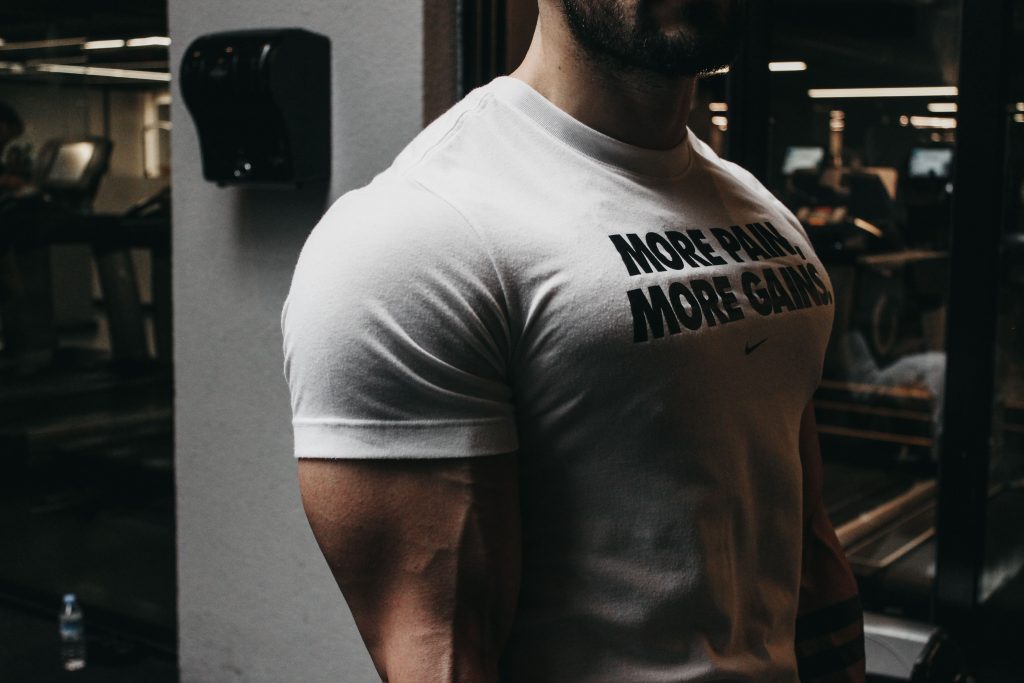
If there’s one rule that changes everything, it’s this: fit beats price almost every time. A $30 shirt that fits your shoulders, torso, and sleeve length properly will look far better than a $150 shirt that’s slightly too big or too tight. Most people underestimate how much a proper fit changes the entire perception of an outfit.
Before spending more on “better” pieces, get familiar with basic alterations — hemming pants, taking in a waist, shortening sleeves. A local tailor is often shockingly affordable and can turn budget pieces into something that looks custom-fit. This single habit does more for your overall appearance than almost any amount of extra spending.
Buy Fewer Pieces, But Buy Them Intentionally

Budget-friendly style isn’t about buying cheap in bulk — it’s often the opposite. Buying fewer, more versatile pieces that you actually wear repeatedly stretches your money further than filling a closet with items that only get worn once or twice. Before buying anything, ask: can I picture wearing this with at least three things I already own? If the answer is no, it’s usually not worth the money, regardless of price.
Know Where It’s Worth Spending More

Not everything needs to be expensive, but a few categories genuinely benefit from a slightly higher investment:
- Shoes — Well-made shoes last significantly longer and hold their shape better than cheap alternatives, which matters both for cost-per-wear and overall appearance.
- Outerwear — A coat or jacket is worn repeatedly across many outfits and seasons, so quality here pays off over time.
- Basics you wear constantly — A well-fitting pair of jeans or a go-to blazer gets worn often enough that the cost-per-wear ends up low even with a higher upfront price.
Everything else — trend pieces, seasonal items, things you’ll likely wear only briefly — is where it makes more sense to spend less.
Shop Secondhand Strategically

Thrift stores, consignment shops, and online resale platforms have completely changed what’s accessible on a budget. High-quality, well-made pieces — sometimes even designer items — show up secondhand at a fraction of retail price. The key is shopping with a specific list in mind rather than browsing randomly, since secondhand shopping without direction can lead to impulse buys just as easily as retail shopping can.
A useful habit: check secondhand options first for the specific pieces on your list before buying new. It won’t always have exactly what you need, but when it does, the savings are significant.
Build Around Versatile Neutrals

A wardrobe built around versatile neutral colors — navy, black, grey, camel, white — naturally stretches your budget further because more pieces can be mixed and matched with each other. A single accent-colored piece can then be layered into multiple outfits without needing an entirely new coordinated look each time. This approach means fewer total purchases are needed to create a wide range of outfit combinations.
Take Care of What You Already Own

Budget-conscious style isn’t just about how you shop — it’s also about how you maintain what you already have. Proper washing, timely repairs (a loose button, a small tear, a scuffed shoe), and correct storage all extend the life of your clothing significantly. A five-minute repair often saves an entire replacement purchase down the line.
Learning a few basic skills — sewing a button, treating a stain quickly, polishing shoes — pays for itself many times over across a wardrobe’s lifespan.
Avoid the Trend Trap

Chasing every micro-trend is one of the fastest ways to overspend without actually improving how put-together you look. Trend pieces have a short shelf life by design, and a closet built primarily around them needs constant refreshing to avoid looking dated. A smarter approach: pick one or two current trends that genuinely suit your style and incorporate them through smaller, lower-cost pieces — accessories, a single statement item — rather than rebuilding your whole wardrobe around them.
Plan Purchases Around Cost-Per-Wear, Not Sticker Price
A $200 coat worn 100 times across several winters costs $2 per wear. A $40 top worn twice before being discarded costs $20 per wear. Thinking in terms of cost-per-wear rather than upfront price completely changes which purchases actually make financial sense — and it often means spending more on the right pieces is the actual budget-smart move, not the expensive one.
Final Thoughts How to Dress Well on a Budget
Dressing well on a budget isn’t about finding loopholes or constant deal-hunting — it’s about shifting from reactive, impulse-driven shopping to a more intentional approach: buying pieces that fit properly, hold up over time, and genuinely work with the rest of your wardrobe. The people who consistently look put-together on a modest budget aren’t spending more than everyone else — they’re simply spending with a clearer strategy.